The 16GB Baseline Did Not Last Long
For about five minutes, it looked like the laptop industry had finally learned its lesson. Apple moved its Mac lineup to 16GB minimums, Microsoft made 16GB part of the Copilot+ PC requirement, and even mid-range Windows machines started feeling less like they were configured by someone who hates browser tabs. Now the floor is sliding backward: Tom's Hardware reports that 8GB laptops are returning across the 2026 lineup as vendors try to keep entry prices from exploding during the component crunch.
Who Is Shipping 8GB Again?
The list is not just bargain-bin plastic. Dell's new $699 XPS 13 starts with 8GB of RAM and Intel's Core Series 3 Wildcat Lake chip. Acer's Swift Air 14 also lands at $699 with a Core 5, 512GB SSD, and 8GB. Chuwi is aiming even lower with a UniBook around $449 using a Core Series 3 304, 256GB SSD, and 8GB. Microsoft, bizarrely, has an 8GB Surface Laptop for Business 13-inch starting at $1,299.99. That last one is where my travel mug nearly hit the wall.
8GB Can Work — But Only If You Know Yourself
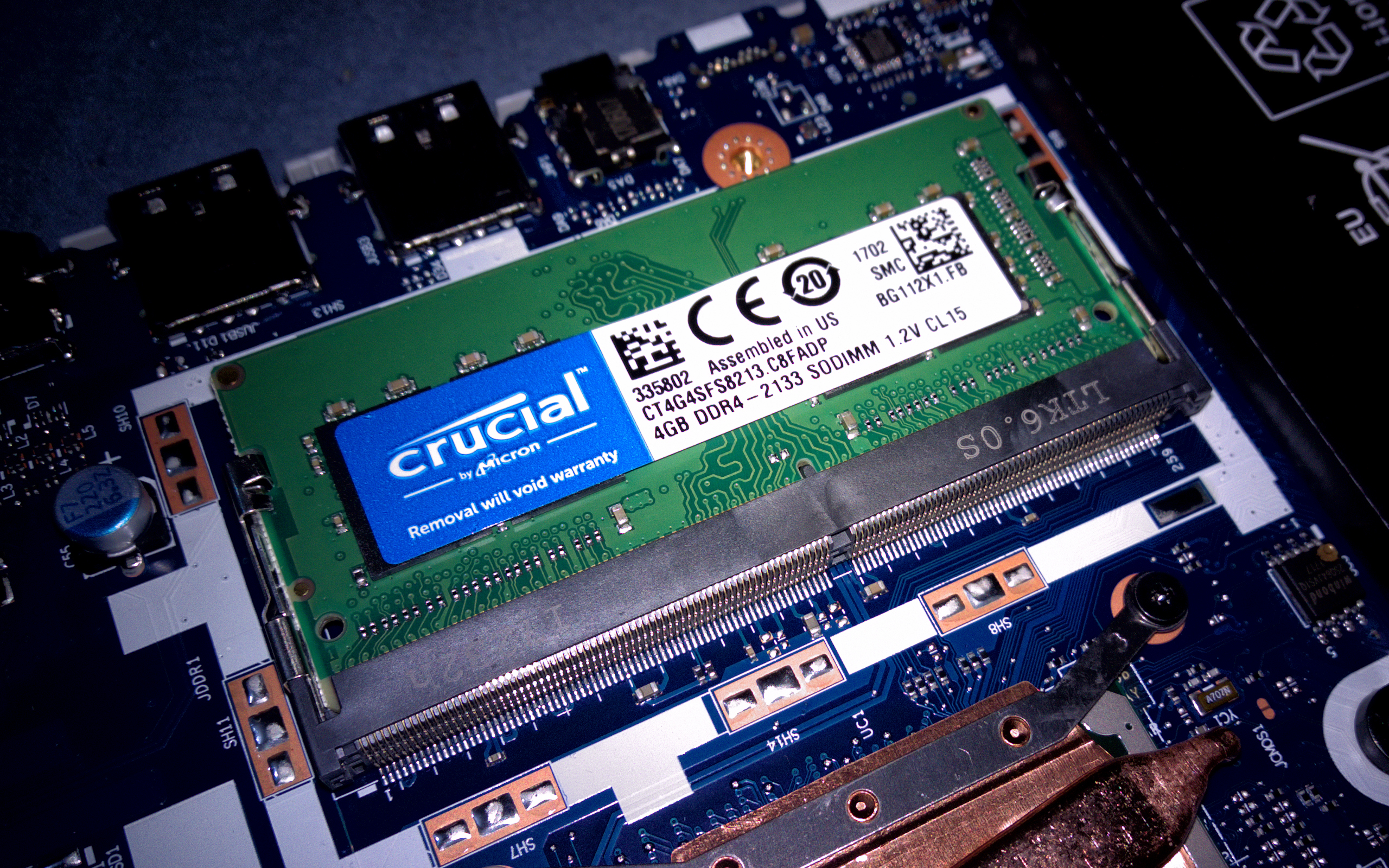
I'm not going to pretend 8GB is instantly unusable. If your workday is email, docs, one browser window, a VPN client, and maybe Spotify in the background, you can survive. macOS has already shown that a tightly integrated platform can hide the pain reasonably well for basic use. But on Windows, especially with Teams, Chrome, security agents, cloud sync, and hotel Wi-Fi portals all fighting for memory, 8GB stops being a spec and starts being a tripwire.
The Travel Test Is Crueler Than the Spec Sheet
The problem is not whether an 8GB laptop opens a spreadsheet on day one. The problem is whether it still feels responsive 18 months later when you're at gate C17, on battery, running a video call, a browser full of tabs, Slack, and a presentation deck you need to edit before boarding. Once the system leans into swap, performance drops, SSD writes go up, battery life can suffer, and every little background task becomes noticeable. If the battery dies before my flight lands, it's a deal-breaker — and memory pressure is one of the quiet ways laptops waste energy doing avoidable work.
AI Helped Create This Mess
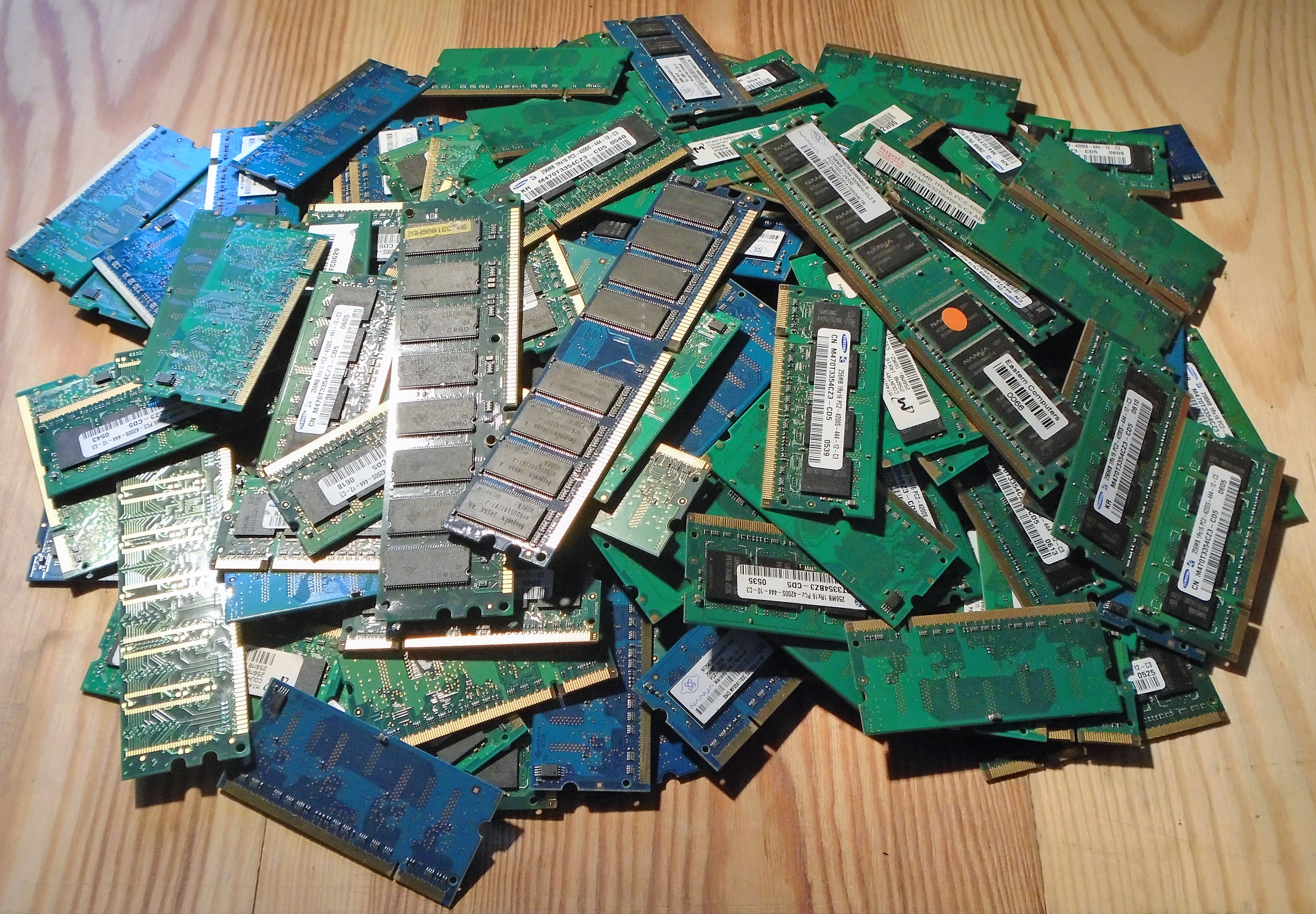
The irony is painful. The AI PC push helped normalize 16GB because Copilot+ machines require it, but AI-driven demand for memory is also one of the forces making DRAM more expensive. Laptop makers now have to choose between keeping entry prices approachable or keeping configurations sane. Dell and Acer choosing 8GB at $699 is understandable. Microsoft asking business buyers for $1,299.99 with 8GB is much harder to defend.
My Buying Advice
If the laptop has soldered memory, treat 8GB as a short-term machine for light users only. Students, frequent travelers, and office workers should target 16GB unless the price gap is enormous. If you're buying for someone who keeps laptops for four or five years, 8GB is false economy. Cheap is useful when it keeps a good machine within reach; cheap is dangerous when it builds tomorrow's bottleneck into today's purchase.
Loading comments...