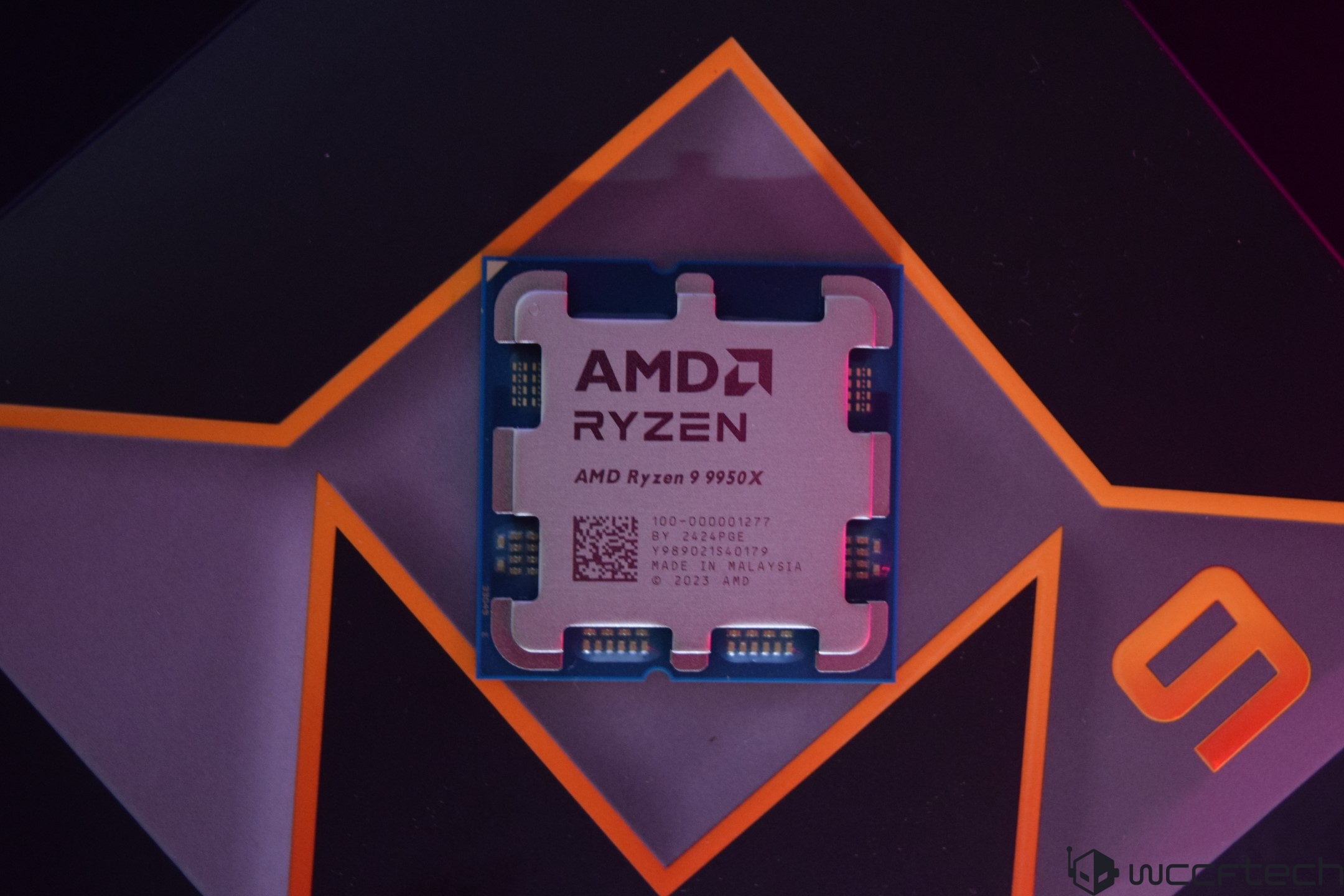
AM5 Just Became the Anti-Disposable Platform
AMD has confirmed that its AM5 socket will be supported through 2029, extending the platform well beyond the previous 2027+ commitment. That matters more than a normal roadmap footnote: AM5 launched with Ryzen 7000 and Zen 4 in 2022, which means AMD is now promising roughly seven years of platform life for the same consumer socket.
Why This Is Bigger Than Another Motherboard Compatibility Slide
Sockets are not just plastic retention frames; they define power delivery assumptions, memory routing, firmware complexity, PCIe lane budgets, and what motherboard vendors can realistically validate. Keeping AM5 alive through 2029 strongly suggests AMD believes the platform has enough electrical and firmware headroom for at least one, and likely two, more desktop CPU generations.
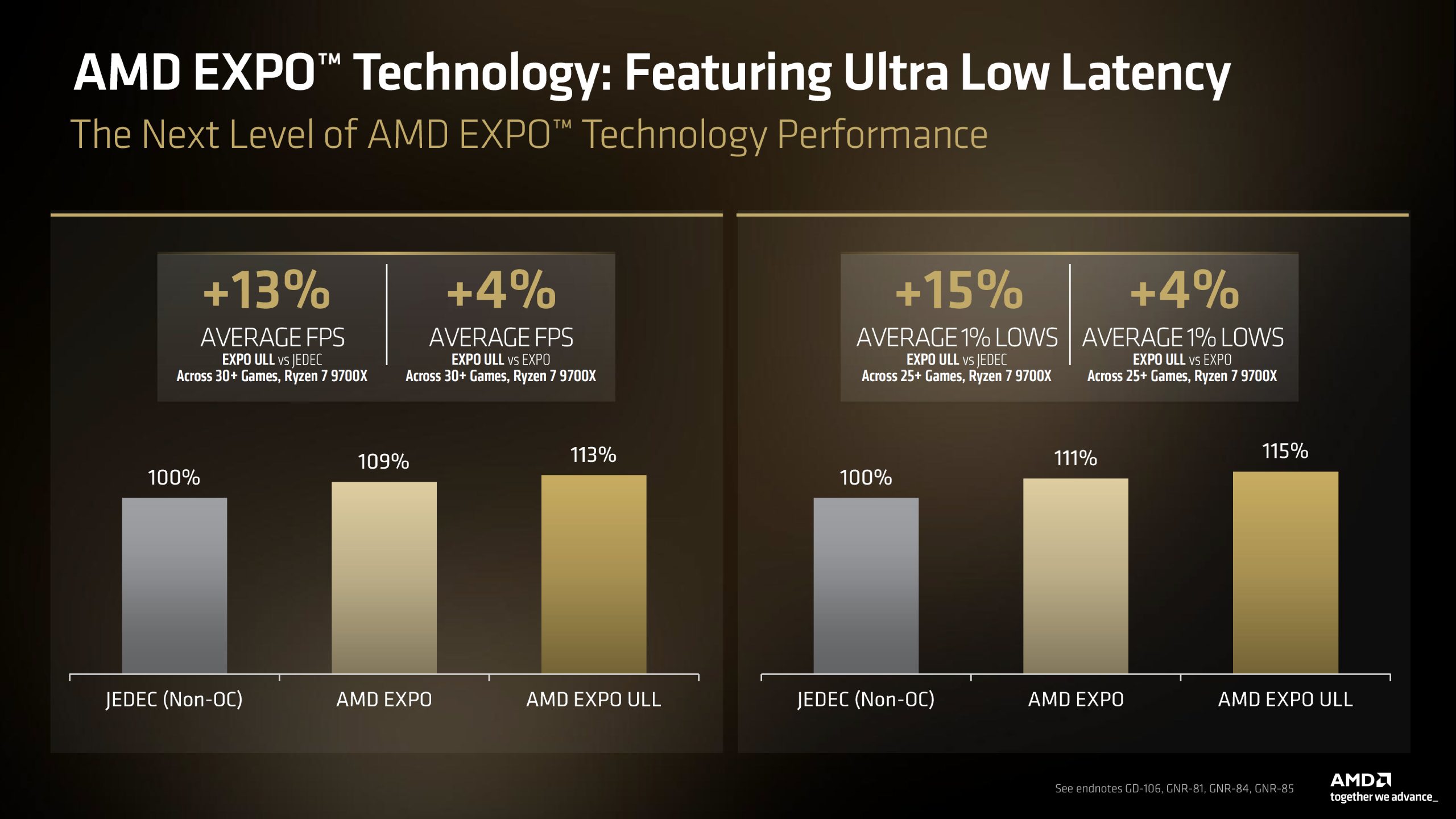
The obvious implication is Zen 6 on AM5. AMD has already been talking about Zen 6 in the data center, and consumer Ryzen usually follows after the server architecture lands. If AMD maintains anything close to its recent cadence, AM5 could plausibly carry Zen 6 and a later Zen 7-class generation before the socket retires. That is a serious contrast to the old Intel rhythm where a motherboard could feel obsolete before the thermal paste had cured.
The Fine Print: 2029, Not 2029+
There is one detail worth watching: AMD's new wording says support through 2029, not 2029+. That missing plus sign may be deliberate. It could mean AM5 has a defined endpoint now, even if that endpoint is far enough away that most buyers will not care. AMD declined to comment on future products or roadmap specifics, which is exactly what you would expect before any formal Zen 6 desktop launch.
EXPO Ultra Low Latency Is the Quiet Performance Story
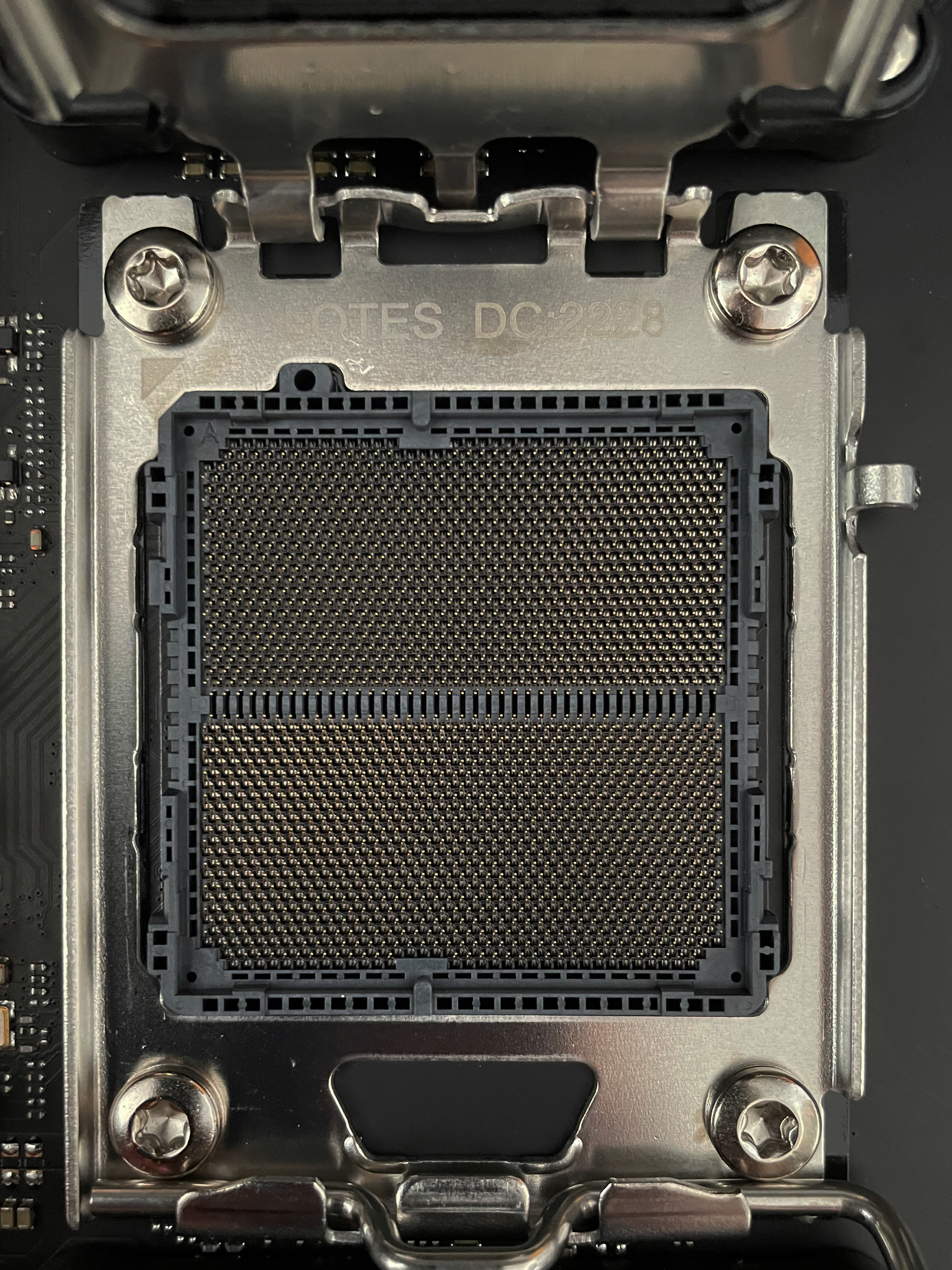
Alongside the socket news, AMD teased EXPO Ultra Low Latency, or EXPO ULL. The company claims the new memory profile can deliver an average 4% uplift versus existing EXPO and 13% versus JEDEC DDR5 speeds. That is not magic; it is the usual silicon-level truth that memory latency still matters, especially for game engines and lightly threaded desktop workloads where cache misses can dominate frame-time behavior.
On Zen, memory tuning has always been more than a checkbox. Infinity Fabric behavior, memory controller quality, DDR5 timings, and cache hierarchy all interact in ways that can make a nominally small latency improvement show up as real responsiveness. A 4% average uplift from a profile update is not a new CPU generation, but it is effectively free performance if motherboard vendors validate it properly.
The Upgrade Math Now Favors AM5
For builders, this changes the platform equation. A decent B650E or X670E board bought today is no longer just a Ryzen 7000 or Ryzen 9000 home; it is potentially a runway into 2029. That means the smartest AM5 purchase is less about buying the biggest CPU immediately and more about buying a board with strong VRMs, BIOS support, and memory topology that will age gracefully. Every nanometer counts, but socket longevity counts too.
Loading comments...