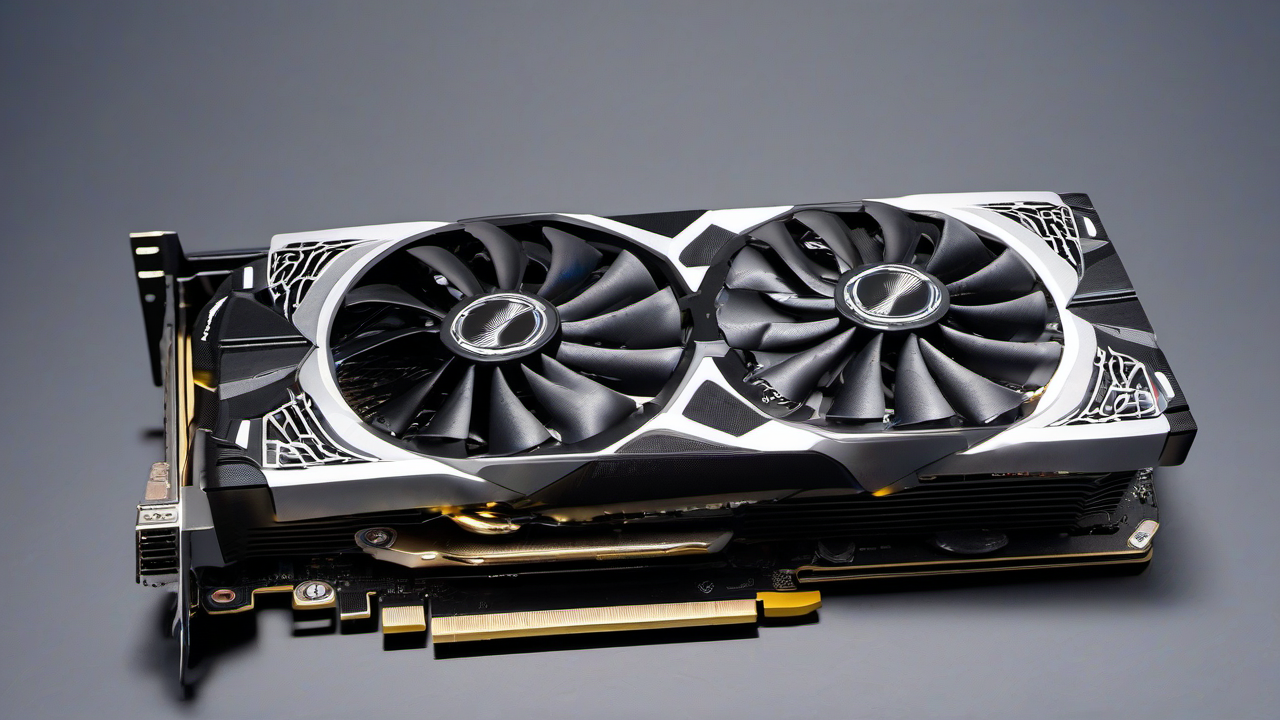
RX 7000 Just Got a Free 4K Frame Injection
AMD has pushed FSR 4.1 live for Radeon RX 7000 desktop GPUs earlier than expected, and this is exactly the kind of driver-side upgrade that makes old silicon feel new again. The headline number is the one that matters: in Crimson Desert at 4K, AMD shows the Radeon RX 7900 XTX moving from about 43 FPS at native rendering to 64 FPS with FSR 4.1 enabled. That is a 48.8% uplift — not a rounding error, not marketing dust, but the difference between chunky and properly playable. Frames per second is the only metric that matters.
This Is the INT8 Version, Not RDNA 4's FP8 Path
The technical catch is important. RX 9000 cards run FSR 4.1 through the FP8 path that RDNA 4 was built for, while RX 7000 gets an INT8 model tuned for RDNA 3. Translation: this is not the absolute optimal implementation, but it is the one that can actually run on last-gen hardware without pretending tensor-style acceleration magically appeared overnight. AMD says the official path is tuned better than community-injected builds based on leaked code, and if the frame-rate numbers hold up broadly, that matters more than the instruction-set trivia.
300+ Games on Day One Is the Real Win
The other big number is compatibility: Tom's Hardware reports that FSR 4.1 is available natively in more than 300 games for RX 7000 owners after updating through AMD Adrenalin. That is the part AMD absolutely needed. A shiny upscaler that works in six sponsored titles does not move the needle. A sharper, ML-backed upscaler landing across a few hundred games makes RX 7900 XTX, RX 7900 XT, RX 7800 XT, and RX 7700 XT owners immediately relevant again in the 4K conversation.
Image Quality Is the Fight AMD Had to Pick
FSR 3.1 could already buy frames, but AMD's problem has been the same for years: Nvidia's DLSS usually looked cleaner in motion, especially around thin geometry, particle effects, and reconstruction-heavy scenes. FSR 4.1 is AMD's answer to that gap. The interesting bit is that AMD is not just chasing raw FPS here; it is accepting some performance cost versus older FSR paths to get closer to DLSS-style reconstruction quality. Good. Nobody spending high-end GPU money wants 90 FPS if every fence, cable, and hair strand turns into soup.
APUs Are Next, RDNA 2 Waits Longer
AMD also says it is working on lightweight machine-learning models for RDNA 3 APUs, which could matter massively for handhelds and mini PCs built around Phoenix, Hawk Point, and related silicon. That means Ryzen 7040, Ryzen 8000G, Ryzen 8040, Ryzen 200-series parts, and possibly RDNA 3.5 handheld chips could eventually benefit. RDNA 2 support is reportedly pushed into early 2027, which makes sense: older shader hardware will probably need more tuning to avoid eating the whole performance gain just to run the model.
The Bottom Line
This is AMD doing the thing GPU owners actually care about: extending the useful life of expensive cards with real performance and visual-quality upgrades. RX 7000 did not suddenly become RDNA 4, and the INT8 fallback means there will be tradeoffs. But a 7900 XTX jumping from 43 to 64 FPS at 4K in a demanding title is exactly the kind of result that keeps a card out of the used market and inside a gaming rig. If AMD can keep image quality tight, FSR 4.1 may be the most important Radeon software drop of the year.
Loading comments...