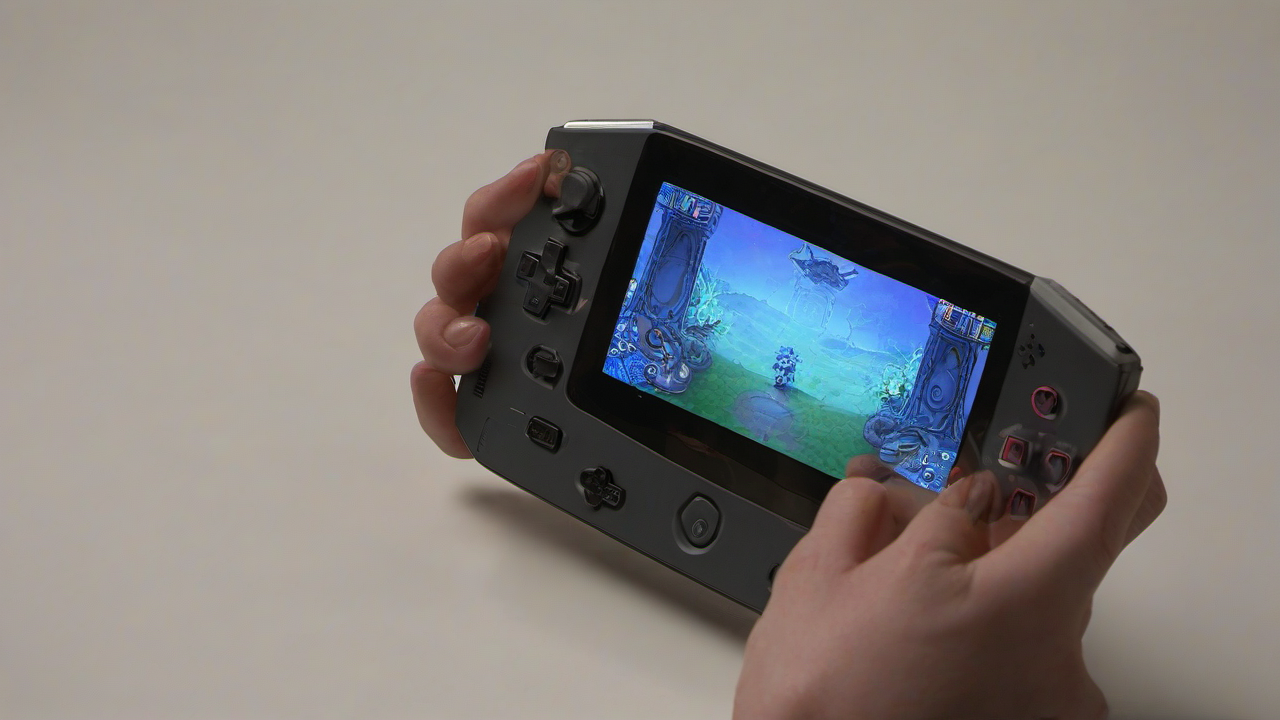
ASUS Finally Gives the Ally the OLED Treatment
ASUS has used Computex 2026 and the 20th anniversary of ROG to reveal the ROG Xbox Ally X20, and yes — the headline feature is the one handheld nerds have been yelling about since the first Ally: OLED. Notebookcheck reports that the X20 moves to a 7.4-inch OLED panel with high refresh rate and AMD FreeSync support, up from the 7-inch screen on the ROG Xbox Ally X.
If it fits in my hands and runs games, I'm interested — and a 7.4-inch OLED Ally is very much in the danger zone for my wallet. The Steam Deck OLED proved that contrast, response time, and perceived smoothness matter as much as raw FPS when you're playing three feet from your face. A better panel makes 40 FPS feel cleaner, makes retro cores pop, and makes dim hotel-room gaming less miserable.
Ryzen Z2 Extreme Is the Right Chip, Not a Magic Wand
The X20 is reportedly powered by AMD's Ryzen Z2 Extreme, which is the correct silicon choice for a premium 2026 handheld. AMD's own specs list 8 cores, 16 threads, RDNA 3.5 graphics with 16 GPU cores, a 28W default TDP, and a configurable 15-35W range. Compared with the Z1 Extreme's 12 RDNA 3 GPU cores and 9-30W cTDP range, the new chip gives ASUS more GPU headroom — but also more ways to burn battery if the firmware team gets too spicy.
That is the whole handheld game now: not peak benchmark screenshots, but sane profiles. I want a 12W indie mode, a 15W emulation sweet spot for PS2/GameCube/Switch-class workloads, a 20W AAA default, and a 30W plugged-in mode that does not turn the grips into a panini press. Custom firmware people will absolutely poke at this thing, but ASUS needs to ship good defaults before the community starts fixing it.
The Screen Size Lands Between Ally and Legion Go 2
The 7.4-inch OLED puts the X20 in a smart middle lane. It is meaningfully bigger than the 7-inch Ally X display without going full tablet like Lenovo's 8.8-inch Legion Go 2. For handheld use, that matters: larger screens are amazing for UI scaling and emulation bezels, but they also increase weight, footprint, and the awkwardness tax when playing in bed or on a train.
For emulation specifically, 7.4 inches is a nice target. Integer-ish scaling for 4:3 systems will still leave borders, but OLED black levels make those borders disappear instead of glowing gray. PSP, Wii U, PCSX2 widescreen patches, and Steam games with tiny HUDs all benefit from the bump without turning the device into a lap console.
The Missing Specs Are the Important Specs
Here is the catch: Notebookcheck notes that ASUS has not yet revealed RAM, storage, battery capacity, pricing, or availability. Those are not minor footnotes. The Ally X became interesting because it fixed the original Ally's endurance and memory limitations, not because it won every benchmark. If the X20 keeps 24GB or better LPDDR5X and pairs the OLED with a battery in the Ally X class, we have a serious Deck OLED rival. If it ships expensive with vague battery life, the hype cools fast.
My read: the ROG Xbox Ally X20 is ASUS acknowledging what the handheld community actually values now — panel quality, efficient tuning, and console-like feel — not just louder fans and bigger wattage sliders. But until we see battery numbers and real 15W/20W testing, keep the preorder finger holstered. OLED is the appetizer; battery life per game is the meal.
Loading comments...