A Tool That Admits What It Is
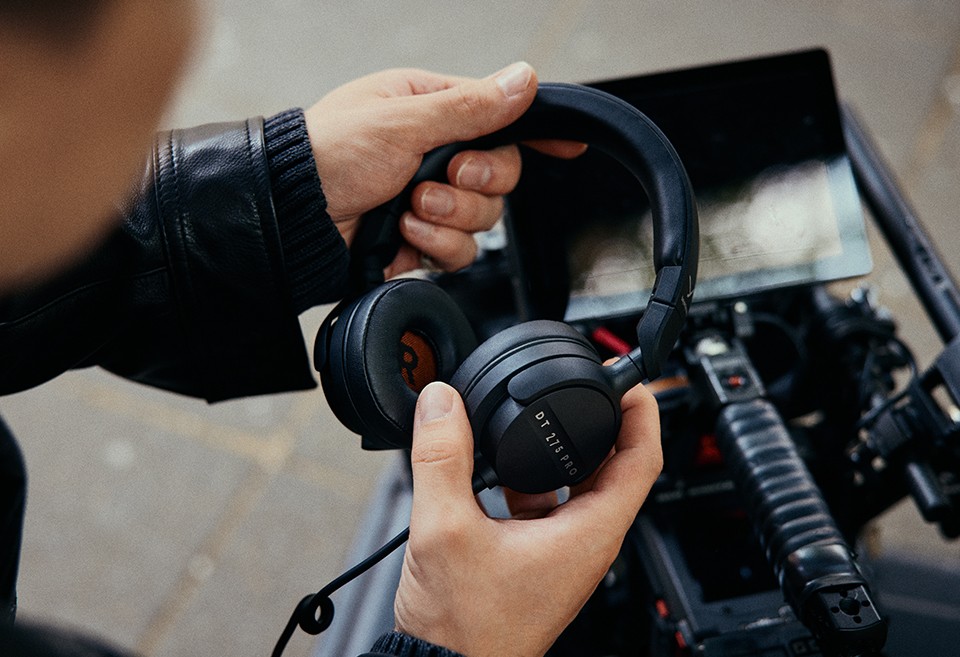
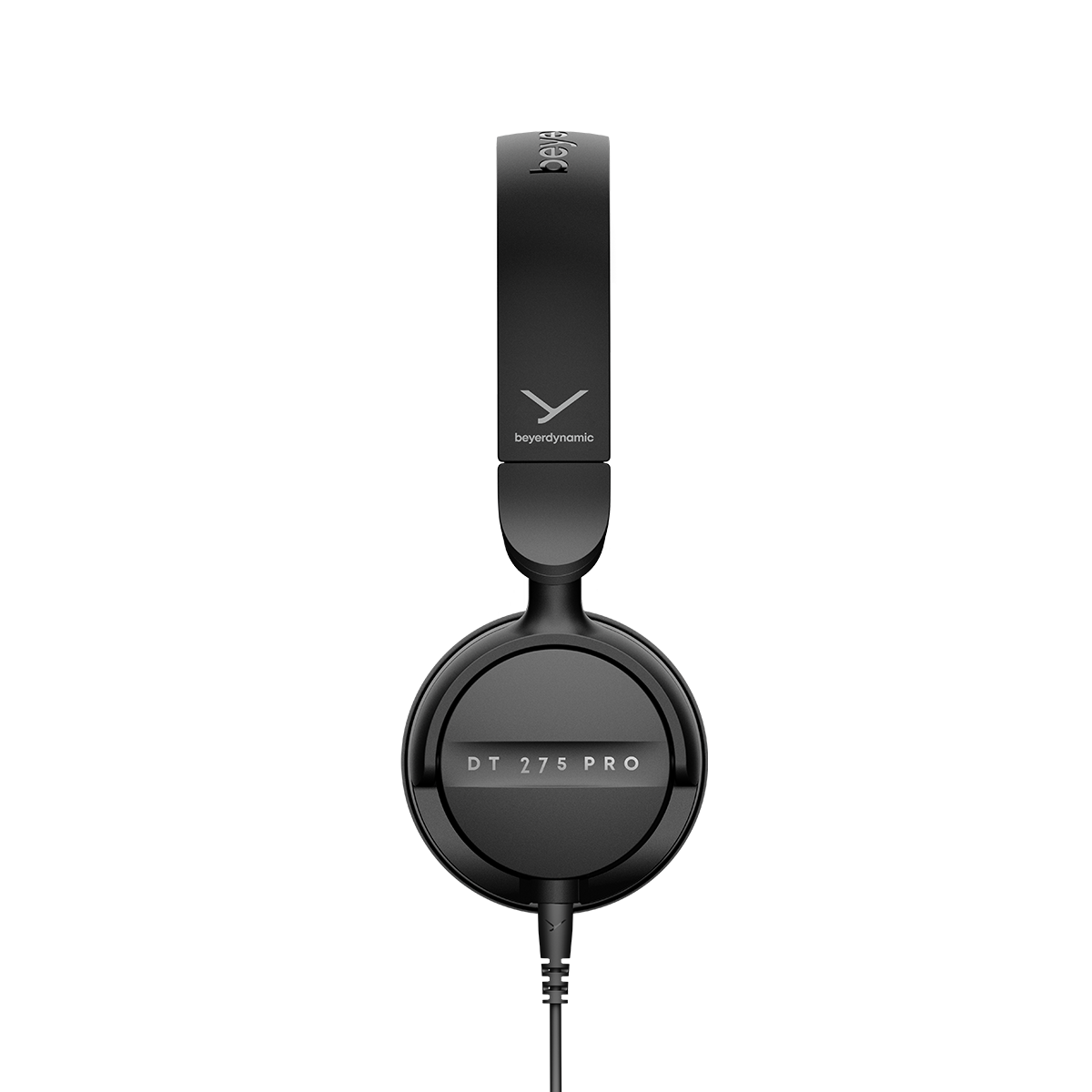
Beyerdynamic put the DT 275 PRO on sale today at $149.99, and the pitch is refreshingly unglamorous: a closed-back monitoring headphone that reveals problems instead of hiding them. No ANC. No app. No spatial-audio checkbox. A locking cable, replaceable pads, and a neutral tuning aimed at people who need to hear a room-mode ring or a mouth click at 11pm with a fan running.
I want to be clear about what I've actually measured here: nothing. This launched hours ago and I have not had a pair on a fixture. But a spec sheet is not nothing — read carefully, it tells you what the engineers optimized for, and this one is unusually legible.
The 24 kHz Number Is the Most Interesting Thing on the Page
Beyerdynamic's own spec page lists the DT 275 PRO at **5 – 24,000 Hz**. Compare that to the DT 770 PRO at 5 – 35,000 Hz and the DT 700 PRO X at 5 – 40,000 Hz. In a market where every marketing department races to print the biggest ultrasonic number it can get away with, Beyerdynamic shipped the *narrowest* bandwidth figure in its own studio lineup.
That's not a weakness. It's arguably the most honest line in the document. Nobody hears 35 kHz. Those extended figures are typically the point where response has already fallen off a cliff — measured to a loose tolerance nobody publishes — and they exist to look good on a box. Quoting 24 kHz suggests either a tighter tolerance window or a driver deliberately damped to behave inside the audible band rather than chase a headline. For a monitoring headphone, controlled behavior from 20 Hz to 20 kHz beats theoretical output an octave above anything you can perceive.
What I'd want to see on a fixture: whether that damping shows up as the classic Beyerdynamic 8–10 kHz treble peak being tamed, or merely moved. The DT 770's presence spike is the single most-EQ'd feature in project studios worldwide. If the 275 flattens it, this becomes a serious recommendation at the price.
45 Ohms, 105 dB — This Runs Off Anything
Here's the sensitivity story. The DT 275 PRO is 45 ohms nominal at 105 dB SPL. The DT 700 PRO X is 48 ohms at 100 dB. The DT 770 PRO in its common 80-ohm trim is 96 dB.
That 9 dB gap over the 770 is the whole design brief in one number. Nine decibels is not a nuance — it's the difference between a laptop headphone jack or a Zoom field recorder driving these to comfortable monitoring levels with headroom to spare, versus a 250-ohm DT 770 that genuinely needs an amp and gets quietly blamed for "lacking bass" when it's really just being underdriven. If you're tracking on location with a battery-powered recorder, a 45-ohm/105 dB load is the correct answer and the 700 PRO X is not.
The 195-gram frame matters for the same reason. That's 155 grams lighter than the DT 700 PRO X's 350 grams — a difference you feel in hour four of an edit pass, not in a listening demo.
The Fit Spec Contradicts Itself, and That's Worth Flagging
SoundGuys describes the DT 275 PRO as on-ear. Beyerdynamic's own spec page lists sound coupling as "circumaural (compact form)" while listing wearing style as "on-ear." Both are on the same page. That's a hedge, and it usually means the cups sit *just* around an average ear and on top of a large one.
This is not pedantry. Pad seal determines bass response and it determines the isolation figure. The claimed 22 dBA of passive attenuation is credible for a well-sealed closed-back at this weight, but a compact cup that lands on your pinna rather than around it will leak, and leaked low end reads as a bass rolloff that no EQ curve fixes. Anyone recording vocalists with a loud headphone mix should treat that 22 dBA as a best case until it's measured on a head that isn't average.
Repairability Is the Actual Story
Ear cushions, headband padding, and cable are all user-replaceable. The cable locks into the cup — Beyerdynamic's framing is that it "reduces the chances of an accidental disconnect halfway through a recording session," which is a very specific pain point written by someone who has lost a take.
Every one of those parts is a wear item. Pads compress and their acoustic behavior drifts measurably as the foam packs down; a headphone whose pads you can renew for a few dollars is a headphone whose frequency response you can restore in year four. That is a genuinely different value proposition than a sealed $199 consumer can with a glued battery, and it's why studios have kept buying the DT 770 for two decades.
Where It Lands
At $149.99 the DT 275 PRO undercuts the DT 770 PRO by $50 and the DT 700 PRO X by $170, while being easier to drive than both and lighter than either. It is aimed squarely at the field recordist, the podcast editor, and the person who needs a second pair for the talent to wear — not at the person who wants their mixes to sound good.
My caution is the one that always applies to a neutral-claimed headphone before third-party measurement exists: "neutral" in a press release is a target, not a result. Wait for a compensated frequency response curve and a distortion sweep at 94 and 104 dB before you buy six of them for a facility. But the shape of this product — controlled bandwidth, high sensitivity, low mass, replaceable everything — is the shape of a device built by people who understood the job.
Flat response is just the beginning. Serviceable flat response is the part that survives a decade of sessions.
Loading comments...