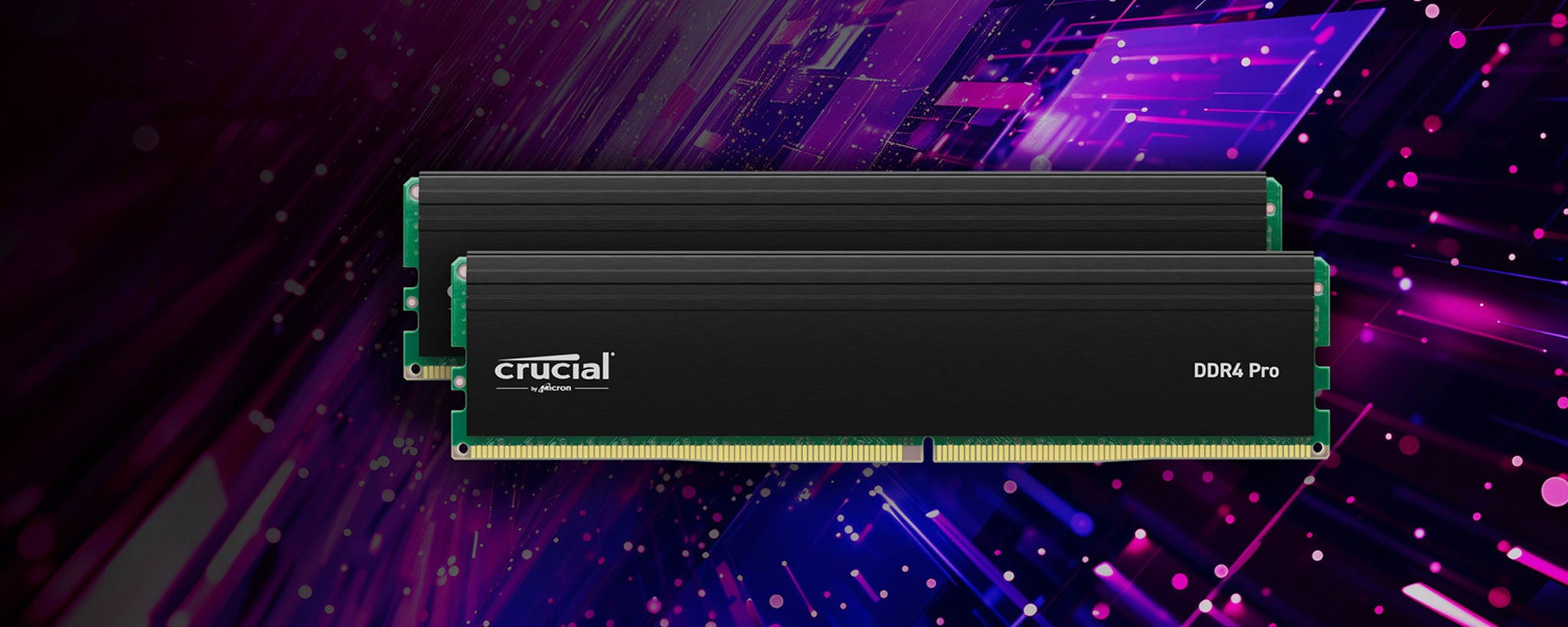
DDR4 Just Got Pulled Out of Retirement
The PC industry is doing something nobody expected in 2026: restarting DDR4 production plans. According to Tom's Hardware, motherboard vendors and memory module houses at Computex confirmed that they are shifting strategy back toward DDR4 platforms because DDR5 pricing has become painful enough to distort the entire enthusiast PC market. At least two motherboard vendors are ramping DDR4-compatible boards for the second half of 2026 and into 2027, with some previously end-of-life products effectively getting dragged back onto the factory floor.
This Is Not Nostalgia — It Is Triage
DDR4 is coming back because DDR5 is expensive, constrained, and harder to package. DDR5 DIMMs need onboard PMIC circuitry, which adds packaging complexity at exactly the wrong time. DDR4 is simpler, older, and easier to push through mature production lines. That does not make it magically cheap, but it does mean vendors have a pressure-release valve while DDR5 supply is being eaten by AI servers, high-capacity modules, and everything else with a better margin than your gaming PC.
The Catch: Revived DDR4 Will Not Be Legendary B-Die
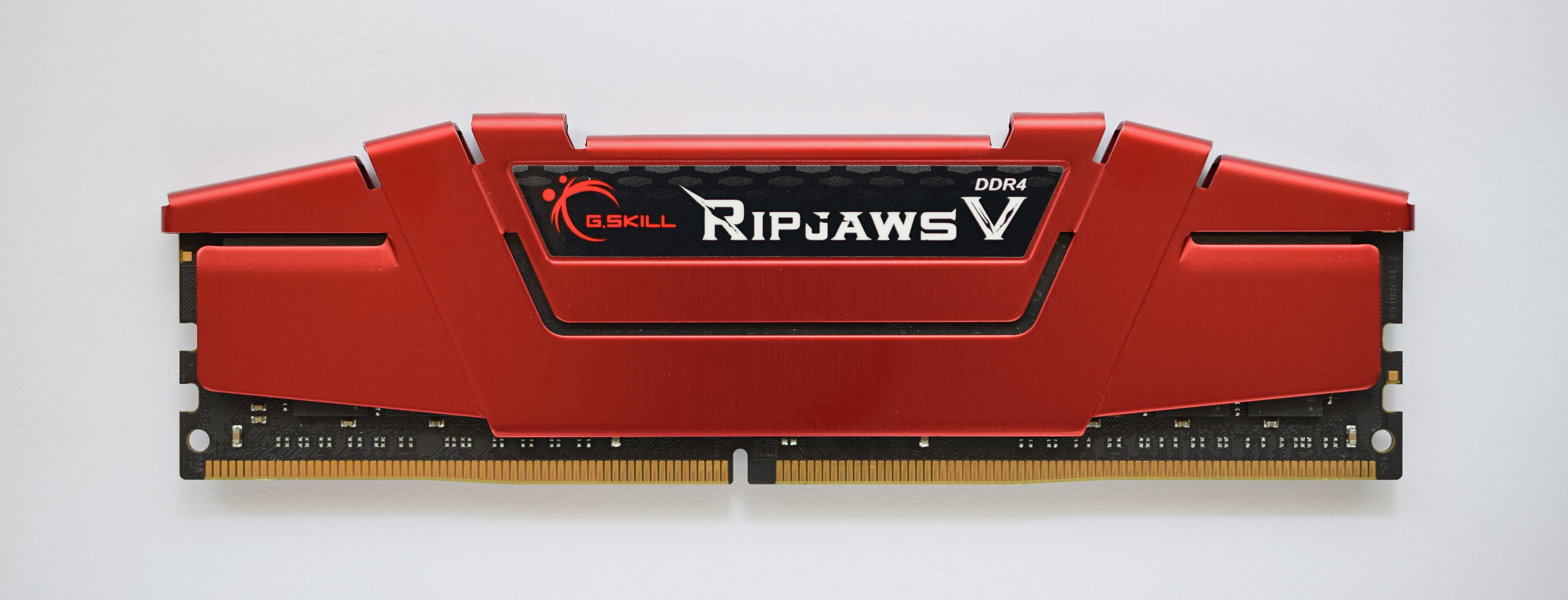
Do not expect the return of golden-era Samsung B-die kits and ridiculous tuning headroom. Tom's Hardware notes that high-performance DDR4 dies like Samsung B-die are no longer in production, so most of the revived kits are expected to top out around DDR4-3600. That is perfectly usable for AM4 and LGA1700 budget builds, but it is not the same as boutique 2019-era overclocking stock. If you are rebuilding an older system, validate stability properly: long memory tests, realistic workloads, and preferably ECC where the platform allows it. Silent memory errors are how file corruption sneaks into your archive while everything still looks fine.
Pricing Explains The Panic
Tom's Hardware's RAM price tracker shows why vendors are doing this. A Corsair 32GB DDR5-6000 kit listed at $439 against a lowest-ever $87 price. A 64GB G.Skill DDR5-6000 kit sat at $949 against a $199 low. DDR4 has also been punched in the face: a 32GB Silicon Power DDR4-3200 kit was $199 versus a $49 low, and a 64GB Crucial Pro DDR4-3200 kit was $489 versus an $85 low. That is not normal inflation. That is a supply-chain fire alarm.
Motherboards Are Taking Collateral Damage
The motherboard market is already feeling it. Tom's Hardware says some vendors have seen sales decline by as much as 37%, and one board maker cited a double-digit increase in DDR4 platform demand over the last quarter. That lines up with what any sane builder would do: if a DDR5 kit costs more than the CPU, the motherboard, or an entire used office PC, people start looking backward. AMD's revived AM4 activity and Intel's continued LGA1700 DDR4 support suddenly look less like leftovers and more like survival infrastructure.
Data Hoarder Verdict
DDR4's return is not good news. It is a symptom. The really nasty line in the report is that DRAM and NAND shortages are expected to continue throughout all of 2027. That means RAM, SSDs, NAS upgrades, and high-capacity storage builds all remain exposed to price shocks. If you already own stable DDR4, do not treat it like junk. Test it, label it, keep spares, and do not sell working capacity into a shortage unless you have a replacement in hand. And yes: if unstable memory corrupts your filesystem, your RGB heat spreader will not save you. No RAID is a substitute for backups.
Loading comments...