The Number That Should Terrify You
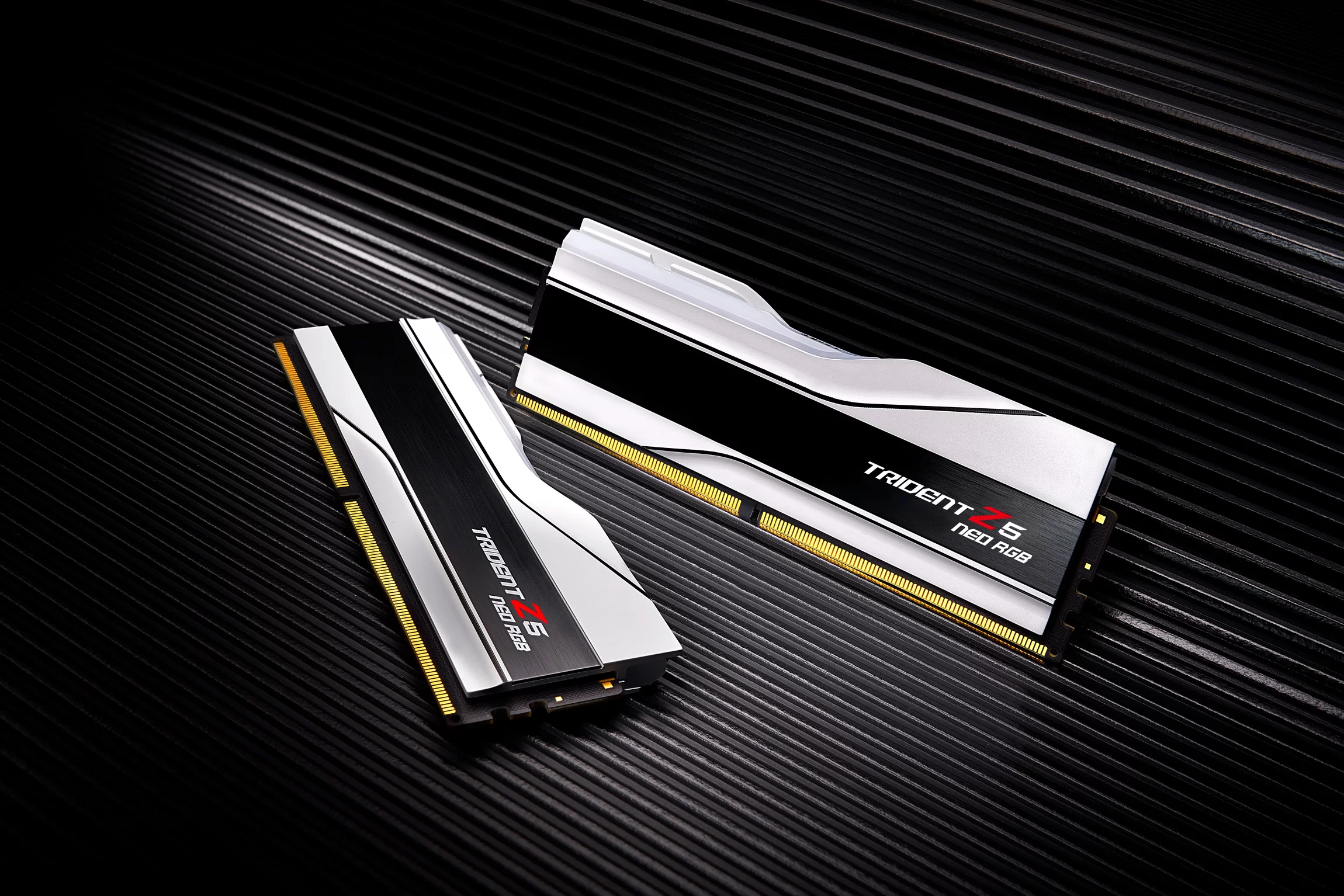
A 32GB DDR5-6000 CL30 kit that sold for under $90 in early 2025 now costs around $529. That's not a typo — that's a nearly 5x price increase in roughly twelve months. If you're running a ZFS storage pool, a RAM-heavy NAS, or a workstation with serious memory demands, you've already felt this. The DDR5 market hasn't just gotten expensive; it's been structurally broken by AI infrastructure spending, and it isn't coming back down anytime soon.
Framework, which publishes monthly memory pricing updates because their modular laptops depend heavily on affordable DRAM, has documented the progression with uncomfortable precision. DDR5 modules were already at $10 per GB in December 2025. By February 2026 that had climbed to $12–16/GB. By March: $13–18/GB. At the upper end, you're paying $18 per gigabyte for consumer DDR5. That's more per GB than a decent PCIe 5.0 NVMe SSD. Let that land.
AI Didn't Just Raise Prices — It Rewrote the Economics
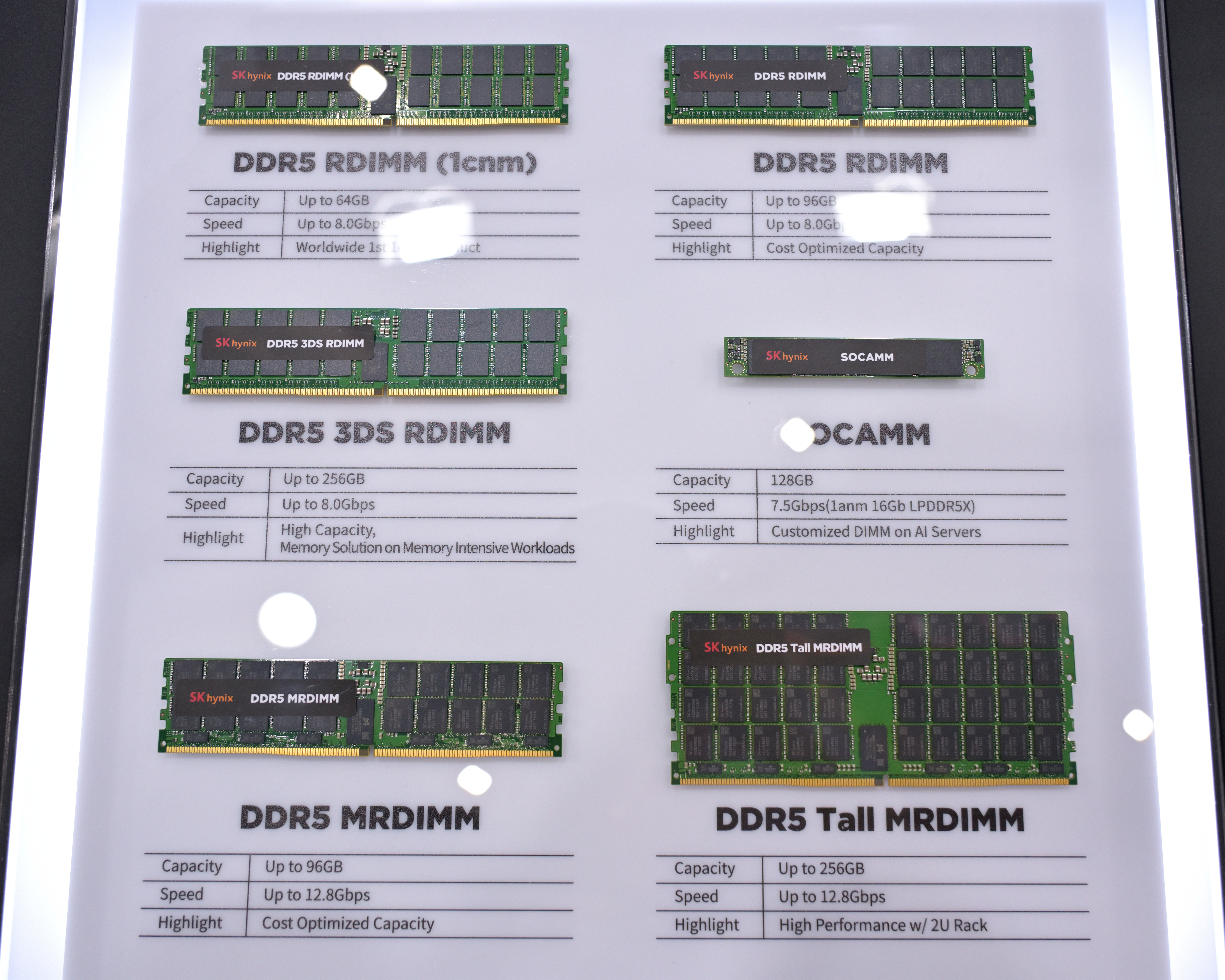
The mechanism is straightforward and deeply unfair to consumers. Samsung and SK Hynix together supply roughly 90% of global DRAM. Both companies have massively redirected production capacity toward High Bandwidth Memory (HBM) and high-density server DDR5 — the modules that go into H200 and B200 AI accelerators, which generate far more revenue per wafer than anything destined for a consumer DIMM slot. AI workloads now consume an estimated 20% of total global DRAM production in 2026, up from near-zero just three years ago.
The result hit Q1 2026 like a freight train: consumer DDR5 prices rose 110% in a single quarter. Consumer SSDs and NAND followed at 147%. Memory cards and flash storage surged 124%. McKinsey projects datacenter memory demand growing 27% by 2030, requiring nearly 5x current power consumption. None of that demand flows into a retail DDR5 kit. The manufacturers have found a better customer, and it's not you.
The Samsung Wildcard Nobody Is Talking About Enough
Here's where it gets worse. Samsung — the world's largest DRAM producer — is facing a potential labor union strike in late May 2026. Any disruption to Samsung's Korean fabs would land as a second shock on top of an already fractured supply chain. The market hasn't fully priced this in. If that strike materializes, the $529 32GB kit may look cheap by July.
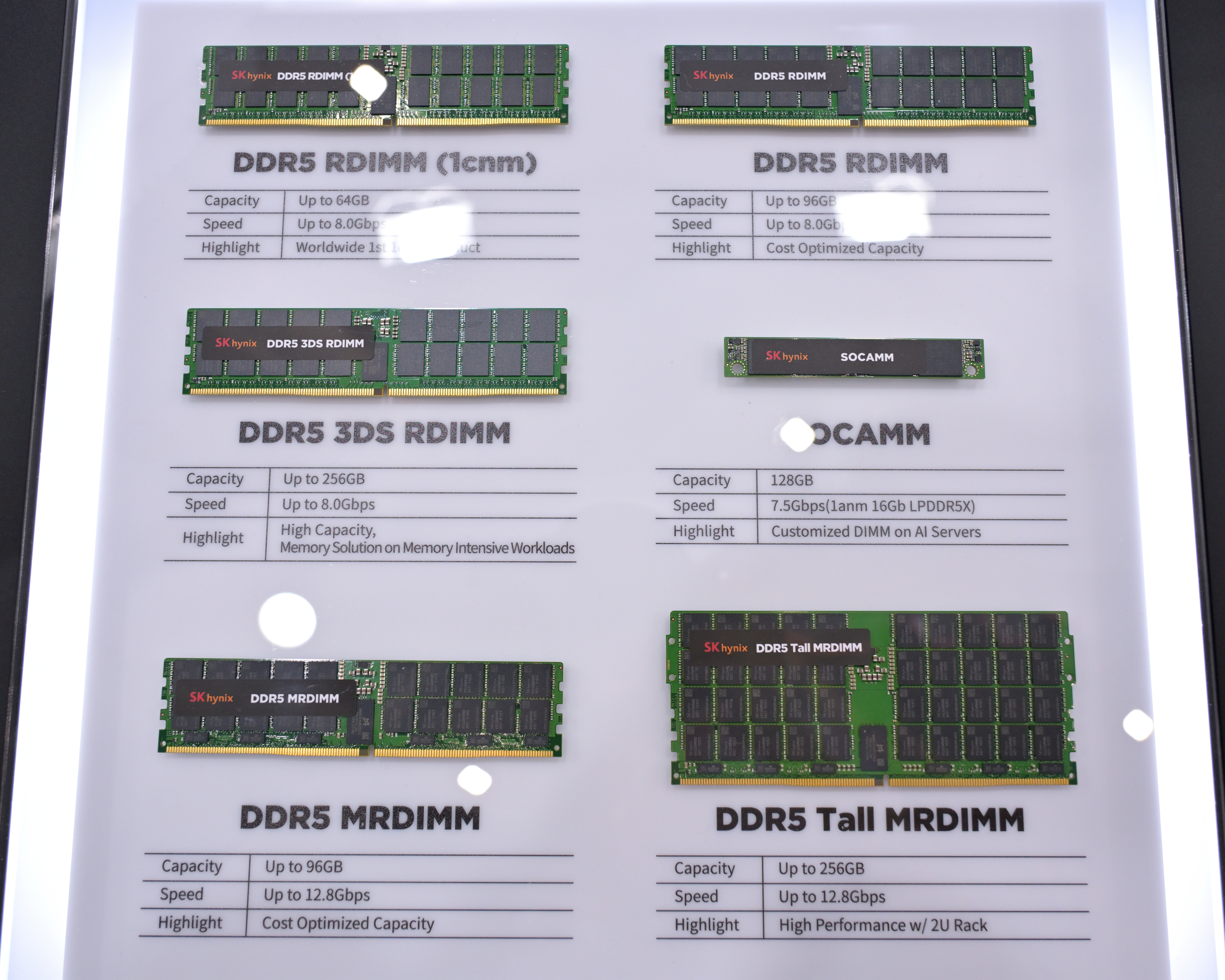
Micron's aggressive HBM expansion plans, announced to much fanfare, are primarily serving datacenter customers. New fab capacity won't reach consumer-grade retail in meaningful quantities until 2027 at the earliest. "Supply is coming" is technically true but practically useless for someone trying to expand a homelab this quarter. Most analysts converge on late 2027 as the earliest window for meaningful DDR5 price normalization — and that's the optimistic scenario.
What This Means If You Run a Lot of Storage
For anyone managing large NAS systems or storage-heavy workstations, this crisis is doubly painful. ZFS — the gold standard for data integrity — is famously RAM-hungry. The conventional wisdom of "give ZFS as much RAM as you can afford" has been completely upended. A 64GB ECC DDR5 configuration that cost under $400 in 2024 now requires $900+ in RAM alone, assuming you can find ECC DDR5 EUDIMMs in stock at all.
There is a perverse silver lining: the percentage premium for ECC over non-ECC has actually narrowed as both categories have gotten expensive. That's cold comfort, but it means the reliability argument for ECC is now a smaller marginal cost than it used to be. My advice is blunt: if you have RAM upgrades anywhere on your roadmap — NAS expansion, server build, workstation upgrade — buy now. Q2 shows no relief, and the Samsung situation means Q3 could be worse. Don't wait. Don't "see if prices drop." They won't. And remember: no RAID is a substitute for backups — but right now, sorting your RAM budget before it gets even worse might be the most important data protection move you make all year.
Loading comments...