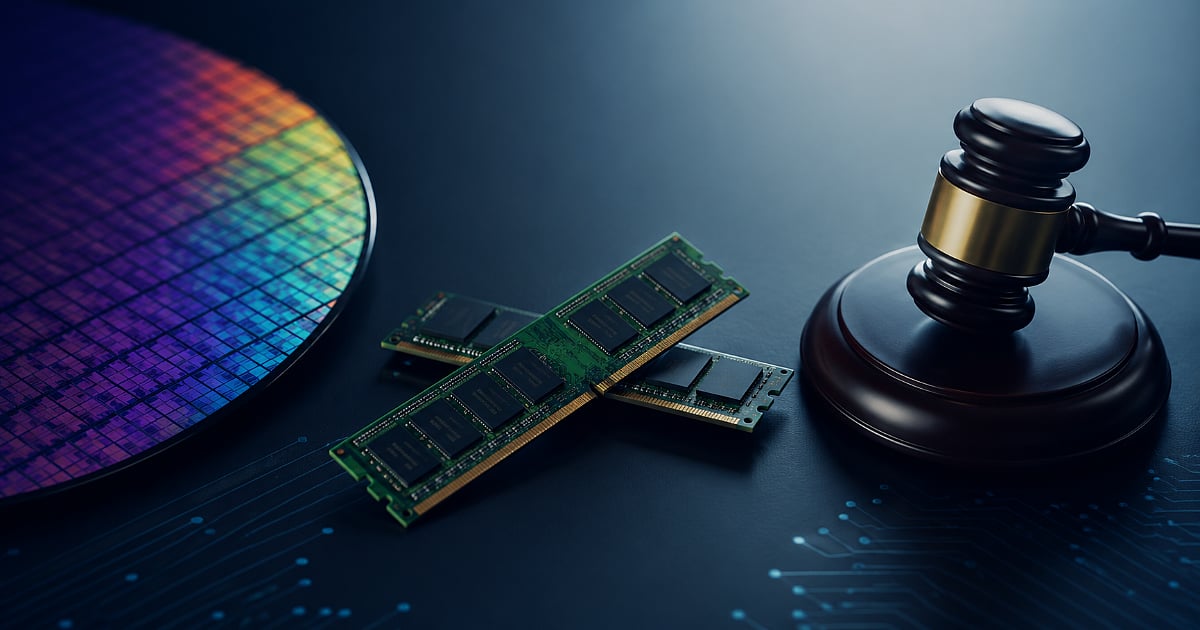
The Big Three Just Got Sued — Again
On June 25, 2026, seven plaintiffs filed a class-action lawsuit in the U.S. District Court for the Northern District of California naming Samsung Electronics, SK Hynix, and Micron Technology as defendants. The complaint alleges the three companies deliberately coordinated production cuts of mainstream DRAM — specifically DDR3 and DDR4 — while redirecting wafer capacity toward High-Bandwidth Memory for AI data centers, causing consumer and enterprise memory prices to surge approximately 700% over four years. Jefferies, meanwhile, is projecting another 40-50% increase in Q3 2026 DRAM contract prices, followed by 30-40% more in Q4. If you're building anything that needs RAM right now, that 32GB DDR5 kit sitting at $375 minimum is not the floor — it's probably the ceiling of what you remember prices being reasonable at.
For those of us running storage servers and NAS arrays, this matters in a very specific way. ECC DDR5 is not optional on a production data server. It is the difference between a memory error that gets corrected silently and a silent bit-flip that corrupts a ZFS checksum chain you won't notice until you try to restore a backup six months from now. The price of data integrity just became significantly more expensive, and three companies that collectively control 89% of global DRAM revenue are standing in the defendant's box explaining why that's a coincidence.
They've Done This Before. Literally.
Here is the part of this story that deserves more attention than it's getting: in 2005, both Samsung and SK Hynix pled guilty to DRAM price-fixing charges brought by the U.S. Department of Justice. The DOJ imposed $731 million in criminal fines and handed out prison sentences to executives from both companies. This is not ancient history — it's institutional memory, and the complaint explicitly cites it as precedent.
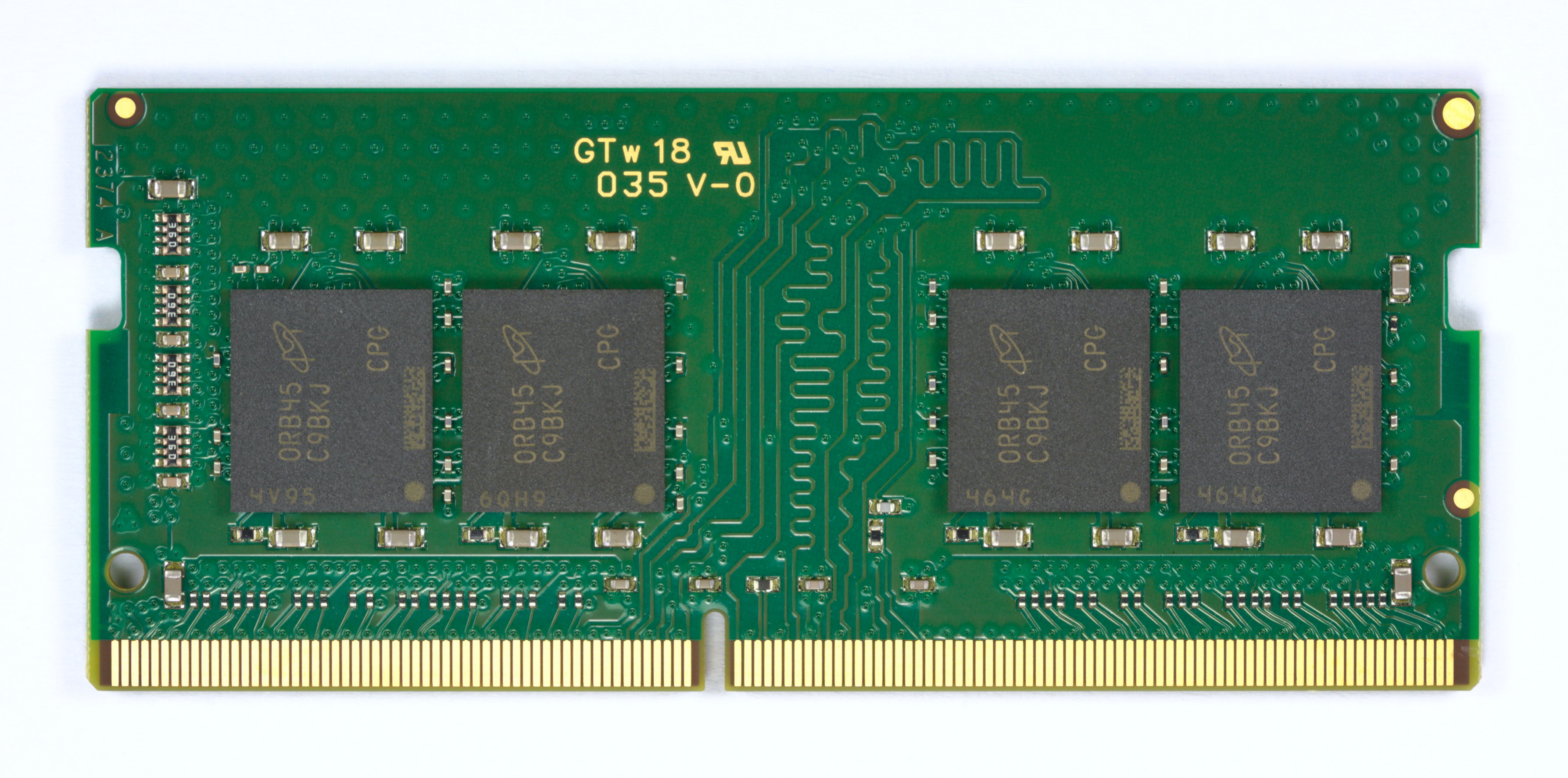
The current lawsuit argues that the same three companies — Samsung holding 38% of global DRAM revenue in Q1 2026, SK Hynix at 29%, and Micron at 22% — made strikingly similar and simultaneous decisions to reduce legacy memory production while pivoting to HBM. HBM commands dramatically higher margins per wafer than DDR5 or DDR4. The plaintiffs allege this wasn't parallel independent business logic but coordinated action. Whether that coordination happened in a room or via public signaling and market incentives is precisely what the Northern District of California will now spend several years determining.
The defendants' likely position: every DRAM manufacturer independently and rationally concluded that HBM was more profitable and adjusted capacity accordingly. The plaintiffs' position: three oligopolists simultaneously made the same capacity decision that happened to crush supply and 7x prices for everyone who actually buys memory. You can decide which story you find more plausible.
The Numbers Are Not Subtle
Gartner's February 2026 forecast put the full-year memory price surge at 130% compared to 2025 levels. PC prices are expected to increase 17% and smartphone prices 13% as a direct consequence. Global PC shipments are projected to fall 10.4% this year — the steepest contraction in over a decade. Memory now accounts for 23% of a PC's total bill of materials, up from 16%. Gartner expects the sub-$500 entry-level PC to disappear entirely by 2028.
For the storage and server segment, the impact is felt most acutely in ECC DRAM. A four-DIMM ECC DDR5 build for a TrueNAS or Proxmox server that cost under $400 in memory at late 2024 prices is now a $900-1,000+ line item depending on your capacity requirements and what ECC stock you can actually source. The mainstream DDR4 situation is marginally better but still roughly double 2024 floor pricing. Apple has already passed memory cost increases through to Mac and iPad pricing. Lenovo is describing current conditions as the "new normal" through 2030. That characterization is either an informed forecast or a company rationalizing a situation it has no control over — and right now, I genuinely don't know which.
What You Should Actually Do
If your NAS or storage server platform supports DDR4 ECC and your current memory is adequate, do not upgrade to DDR5 right now. The bandwidth gains don't justify the cost premium in storage workloads where the bottleneck is almost always disk I/O, not memory throughput. Stay on DDR4 until this either resolves or you have a compelling platform reason to move.
If you are speccing a new server build and can delay six months, delay. New DRAM fabrication capacity is expected to come online in 2027-2028. That's not a guarantee of price relief — it depends heavily on whether AI HBM demand absorbs all new capacity before it can flow to consumer channels — but the supply picture in early 2028 is likely to be less hostile than it is today.
If you cannot delay, buy what you need now. Don't sit on the sideline hoping for a drop that Jefferies thinks is still 40-50% away from happening. The class-action will take years to resolve and will not produce price relief in your purchasing window.
The case is currently styled as a class action in the Northern District of California. If you've purchased DRAM for any purpose since 2022, you may eventually qualify as a class member. Don't structure your infrastructure budget around a settlement check — but do watch the discovery phase. The internal communications that get subpoenaed from three companies controlling 89% of a market with a documented price-fixing history should be genuinely interesting reading.
No RAID is a substitute for backups. And right now, no lawsuit is a substitute for buying your ECC memory when you actually need it.
Loading comments...