Memory Inflation Just Hit the Action Camera Aisle
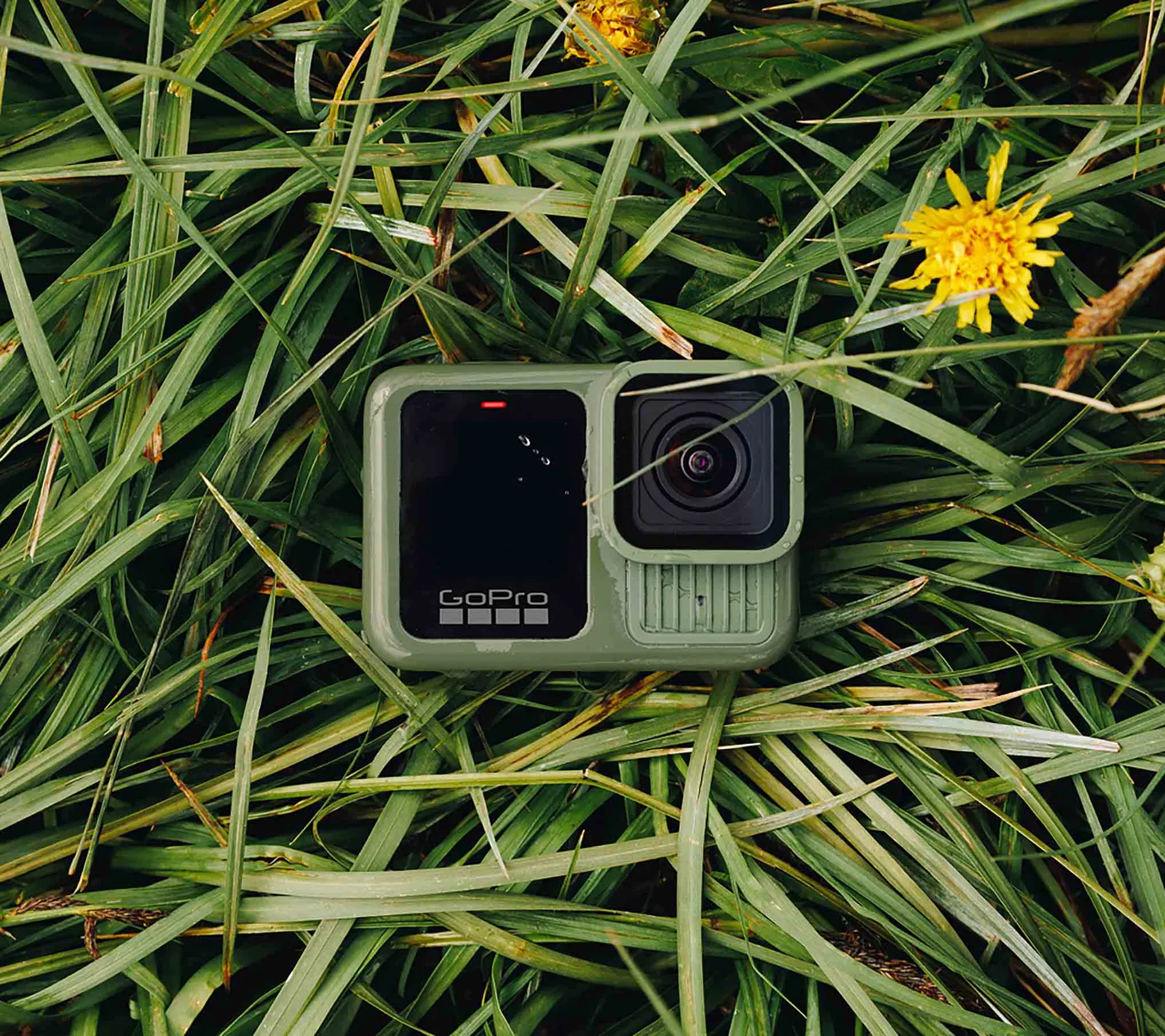
GoPro has filed the kind of sentence no hardware company wants to write: there is “substantial doubt about the company’s ability to continue.” The June 1 regulatory warning is not purely a DRAM story — GoPro also has weaker camera sales, competition from DJI and Insta360, and smartphones eating the casual video market — but Tom’s Hardware reports that rising memory-chip costs are part of the squeeze. That matters because this is not a boutique PC builder complaining about DDR5 pricing. This is a consumer camera company getting caught in the same memory allocation storm that started in AI servers.
Cameras Do Not Ship With Big SSDs, But They Still Need Memory
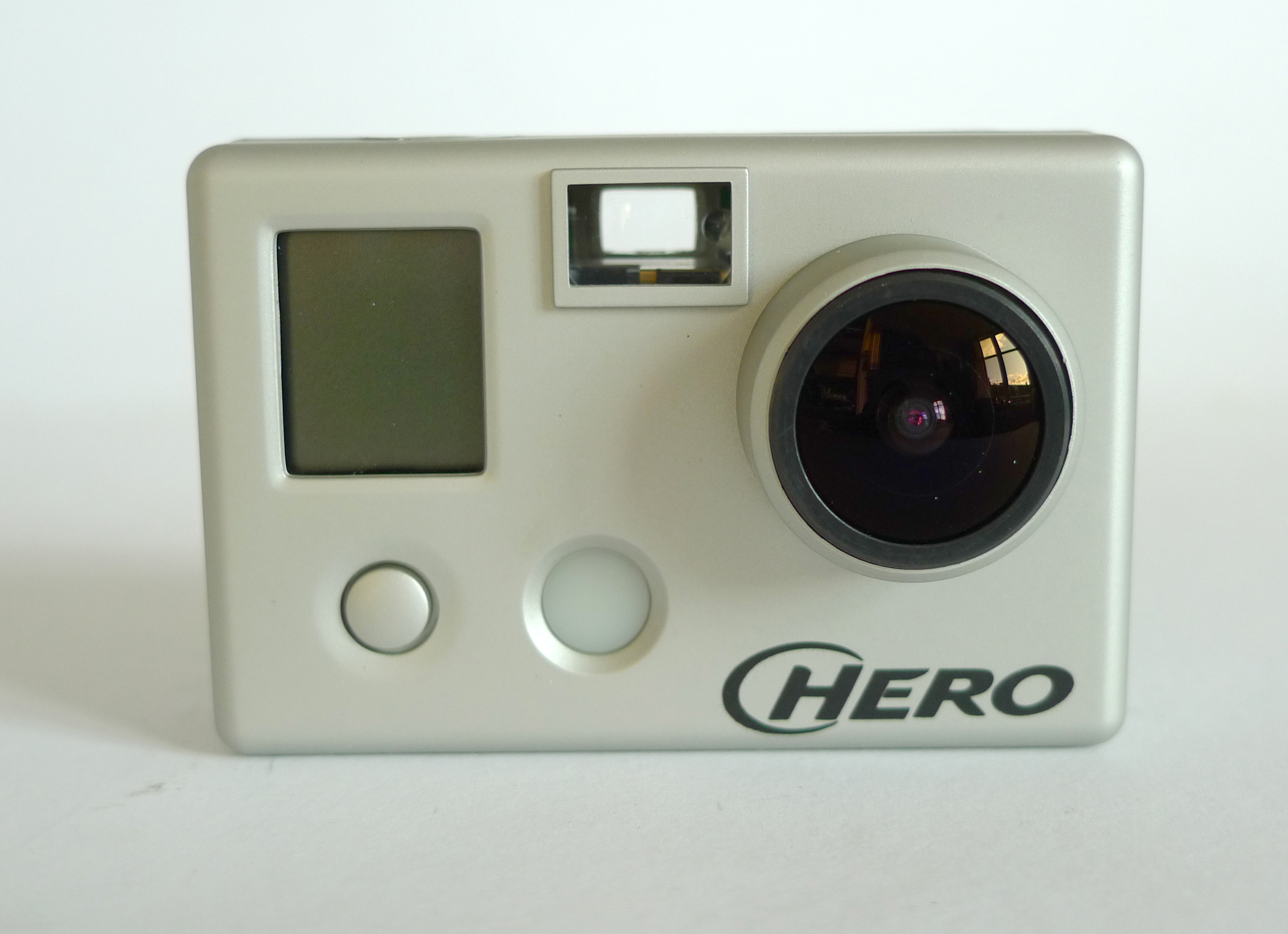
The obvious gotcha is that GoPro cameras rely on removable microSD cards, so the company is not directly eating the full retail price of every storage card a buyer purchases. But the camera still needs onboard RAM for its image pipeline, encoder buffers, stabilization processing, firmware runtime, and sensor data handling. Modern action cameras are tiny thermal envelopes wrapped around SoCs, DRAM, power management, and NAND-adjacent supply chains. When memory vendors can sell higher-margin parts into AI systems, every lower-margin embedded buyer gets worse pricing, worse allocation, or both.
The Real Damage Is Buyer Friction
Even if GoPro is not bundling a giant card, customers still price the whole kit. If a camera costs one number and the “actually usable” setup requires a fast microSD card that has doubled in price, the camera feels more expensive. Tom’s Hardware previously found median flash-card and USB-drive price increases around 124.5%, with some products up as much as 261%. That is brutal for a market where the accessory is not optional. For creators, endurance also matters: cheap no-name microSD cards are how you turn a once-in-a-lifetime shot into filesystem confetti.
The Financial Chart Is Ugly, Even After Improvement
GoPro posted a $432.3 million net loss in 2024 and narrowed that to $93.5 million in 2025, according to the report. Normally that improvement would look like a turnaround story. In a memory crunch, it looks more fragile: lower sales in April and May 2026 plus higher component pressure means the company has less room to absorb BOM shocks. Memory is not a rounding error when the product category is already niche, price-sensitive, and under attack from phones that keep getting better.
This Is The Consumer Edge Of The AI Memory Shortage
The important lesson is that AI demand does not stop at HBM, server DDR5, and enterprise SSDs. It distorts the whole wafer economy. NAND binned for removable media, DRAM for embedded devices, and controller-adjacent supply all get repriced when fabs chase the richest buyers. That does not mean GoPro dies tomorrow, but it does mean every camera, handheld, router, NAS appliance, and mini PC vendor has to plan like memory is no longer a stable commodity.
Data Hoarder Verdict
If you shoot on action cameras, buy cards from reputable brands, verify capacity with a full-write test, and rotate media before it fails. High prices are annoying; corrupted footage is worse. For GoPro, the path forward is financing, restructuring, or a strategic deal — but the broader warning is for everyone building hardware in 2026: memory allocation is now a survival variable. No RAID is a substitute for backups.
Loading comments...