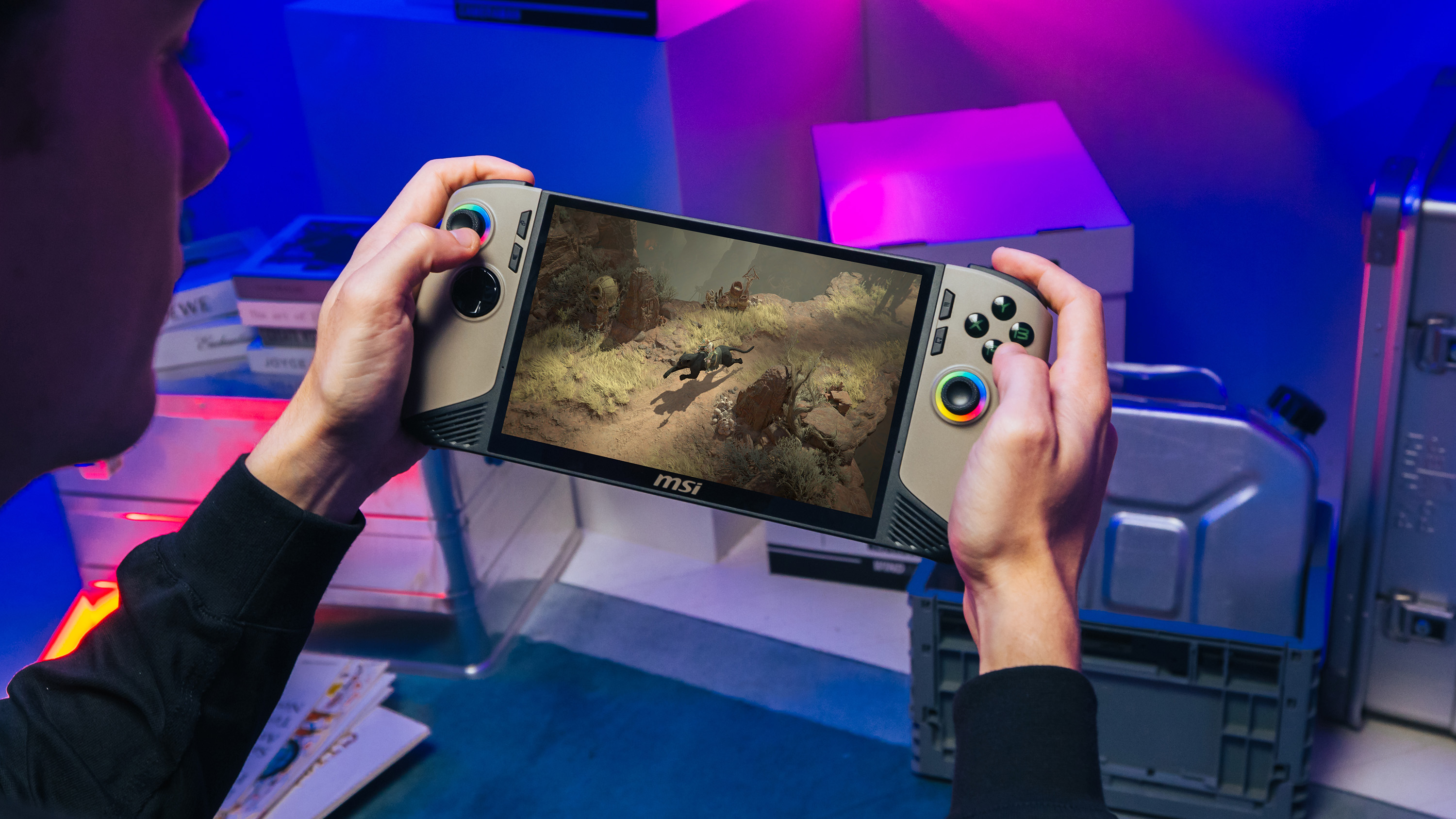
A Real Third Player Is Showing Up
For the last three years the handheld PC space has been an AMD monoculture. Steam Deck? Van Gogh. ROG Ally X? Z1 Extreme. ROG Xbox Ally X? Z2 Extreme. Legion Go 2? Also Z2 Extreme. Even the OneXFly F1 Pro and the GPD Win 5 are packing AMD silicon. If you wanted handheld-class x86 performance with a sensible TDP envelope, your only choice was AMD.
That's about to change. Multiple leakers — corroborated by VideoCardz, Notebookcheck, and now Tom's Hardware — are pointing at Intel's Arc G3 and Arc G3 Extreme as the company's first chips actually engineered for handhelds rather than awkwardly retrofitted into them. And unlike the original Meteor Lake-based MSI Claw (which I love, but cannot in good conscience recommend over an Ally X), these are based on Panther Lake with the new Xe3 graphics architecture. This isn't another Claw situation. This is Intel showing up to play.
What's Actually in the Leak
Here's what we're working with based on the leaked CPU-Z dumps and roadmap whispers:
**Arc G3** ships with the Arc B360 iGPU — 10 Xe3 cores, 25W base TDP, and a Panther Lake CPU sitting underneath.
**Arc G3 Extreme** bumps the iGPU to Arc B380 with 12 Xe3 cores, same 25W base TDP, but with configurable power profiles that should scale up into the 28-35W range for docked or plugged-in scenarios.
The CPU side is the spicy part. Both chips reportedly carry a 14-core configuration — 2 P-cores, 8 E-cores, and 4 low-power E-cores — clocked up to 4.7GHz. That LPE core cluster is the one that matters for battery life, because they live on the SoC tile and can keep the system alive while the rest of the chip sleeps. This is exactly the architectural trick that lets MacBooks idle for days, and Intel finally bringing it to handhelds is genuinely exciting.
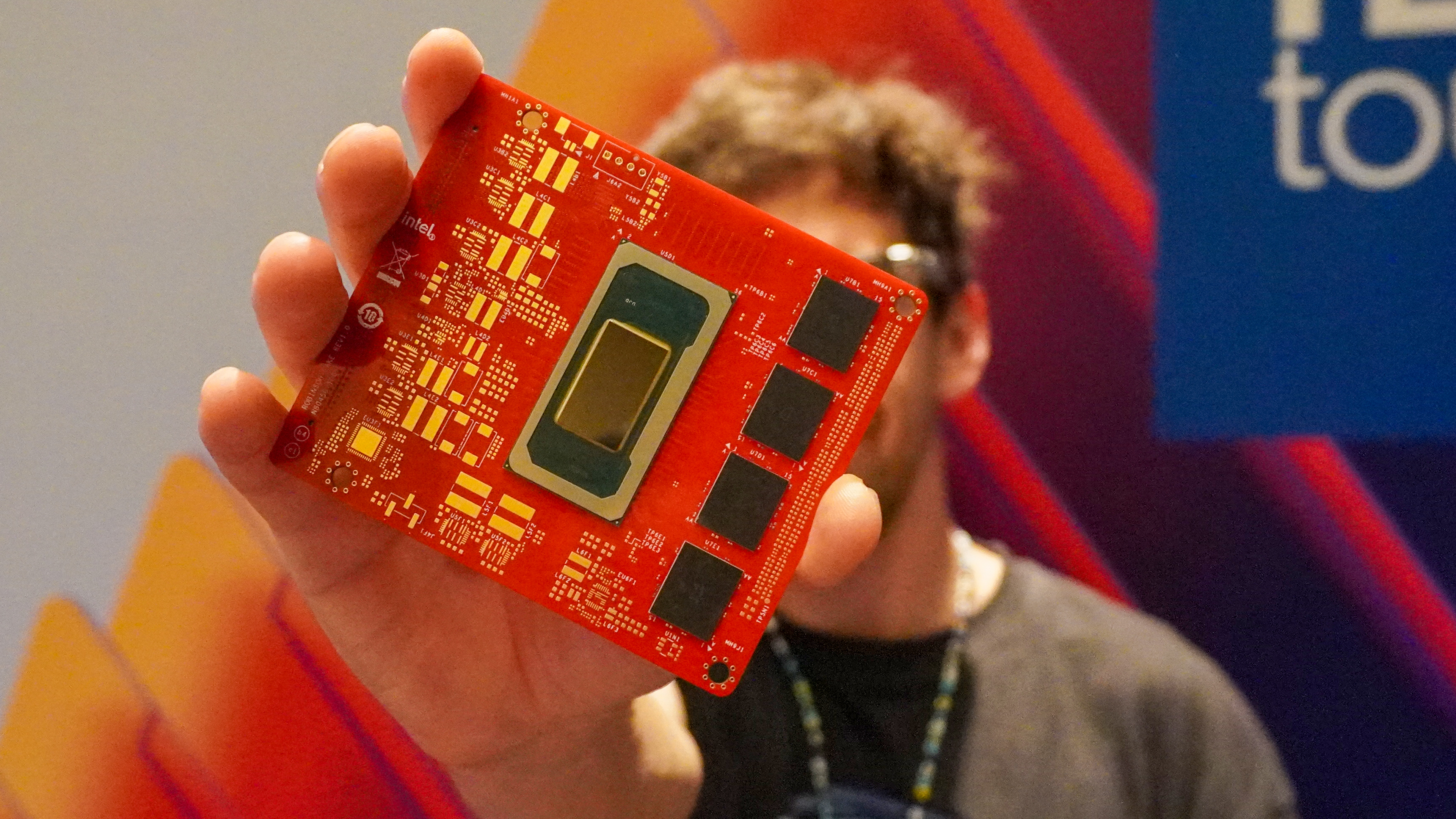
For reference: the AMD Ryzen Z2 Extreme in your shiny new ROG Xbox Ally X is an 8-core Zen 5 / Zen 5c hybrid with RDNA 3.5 graphics and 16 CUs. Intel is bringing 14 cores total and 12 Xe cores. On paper.
The Xe3 Question
Xe3 is the unknown variable. Xe2 in Lunar Lake's Battlemage iGPU surprised a lot of us — the Asus Zenbook S 14 with the 140V chip was running Cyberpunk 2077 at 1080p Low/30fps with FSR Quality on a 17W TDP. That's Steam Deck territory from an *ultrabook*. Xe3 is supposed to be a meaningful jump again, with better ray tracing throughput and improved XeSS 2 frame generation that we already know works on iGPUs.
The big practical question: does XeSS work on every game out of the box, or are we still in the per-title support purgatory that AMD's FSR 3 frame gen lives in? Because if Intel can ship XeSS frame gen on every DX12 title via driver-level injection (which they've been hinting at with Arc Battlemage drivers), that's a massive practical advantage on a 7-inch screen where you'll take any frames you can get.
TDP Tuning Matters More Than Peak Performance
Here's the thing nobody benchmarking these chips at launch ever wants to admit: peak TDP performance is a vanity metric on a handheld. Nobody plays Cyberpunk on the Ally X at 30W for more than 45 minutes before the battery taps out and the fans sound like a leaf blower. The number that actually matters is performance at 8-15W, because that's where the device lives 90% of the time.
The Z2 Extreme's killer feature isn't its 35W boost mode — it's that you can crank it down to 9W and still play Hades II at 60fps. The Steam Deck's APU is even better at this; a 6W TDP profile in something like Stardew Valley nets you 10+ hour battery life. Whether Intel can match this efficiency curve with Panther Lake is the entire ball game. Lunar Lake was promising at 8-15W. Panther Lake on the desktop has been mixed. We won't know until Dave2D and ETA Prime get review units.
Who's Actually Building These?
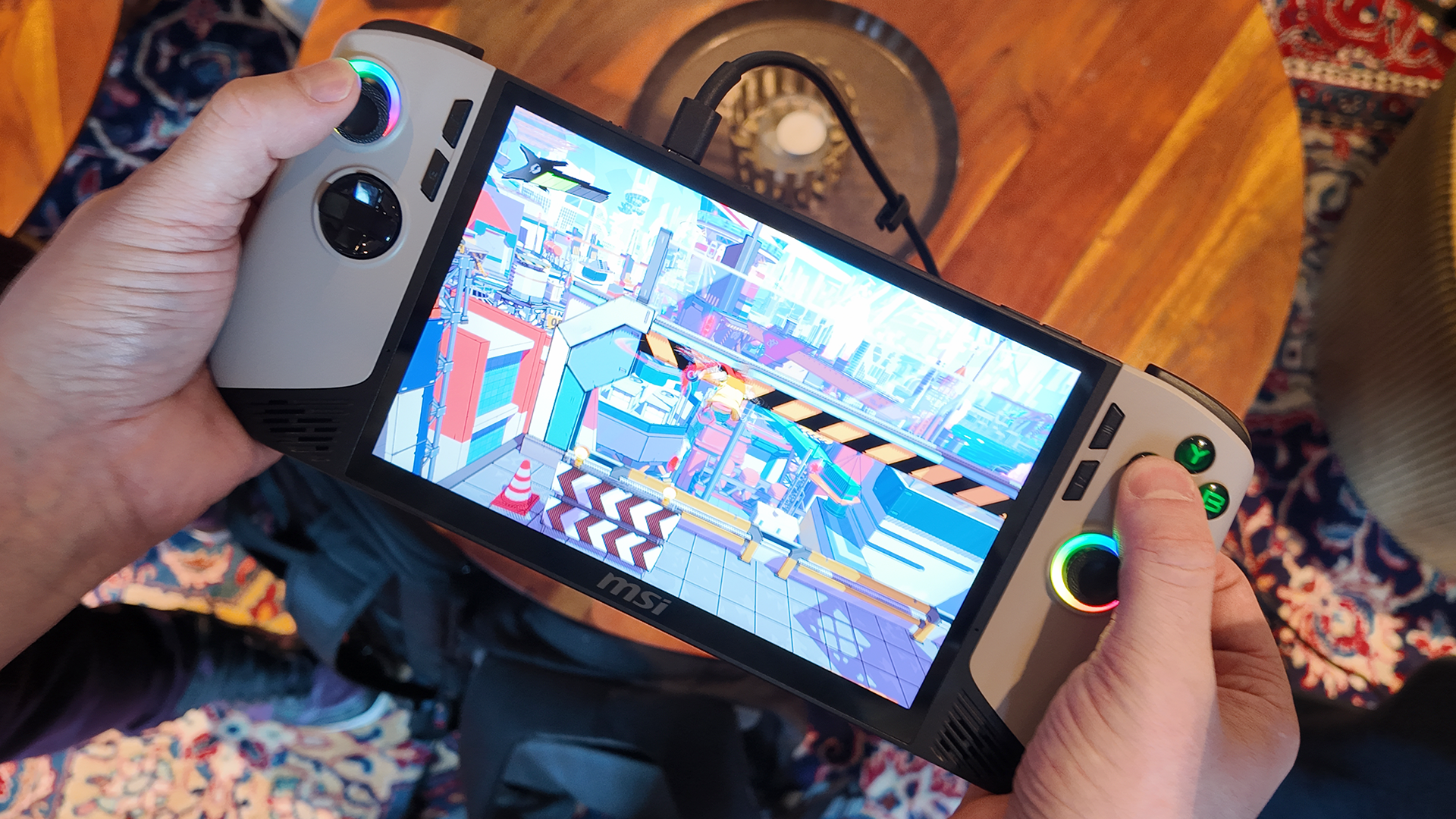
The Computex 2026 reveal isn't just an Intel slide deck — partners are queued up. From the leaked "Handhelds Unleashed" CES slide, the logos include:
- **MSI** — Obviously. The Claw 8 AI+ already exists, and an Arc G3 Extreme refresh is the natural successor. - **OneXPlayer** — They'll put any chip in any chassis. Expect a OneXFly F1 Pro Intel variant. - **Acer** — The Nitro Blaze 8 is overdue and now we know what's powering it. - **GPD** — GamePad Digital was on the slide. A GPD Win 5 with Intel inside would actually be the most interesting mini-laptop since the Win Max 2.
Notably absent: Valve, ASUS, and Lenovo. All three are deep in AMD partnerships and unlikely to swap horses mid-generation. Don't expect a Steam Deck 2 with Intel inside or an Ally X3 with anything other than a Ryzen sticker.
What This Means for the Market
If Intel actually delivers — and that's the size of an entire SteamOS install footprint of an *if* — the handheld PC market gets its first real competitive pressure since the original ROG Ally launched. AMD has had no incentive to push pricing or efficiency because they own the segment. Z2 Extreme exists not because AMD pushed themselves but because Intel and Qualcomm couldn't get product to market.
For those of us who've modded every Steam Deck revision, run Bazzite on a Legion Go, and TDP-tuned a OneXFly to within an inch of its life, more silicon competition means better firmware, better battery curves, and lower prices. Worst case: Intel ships another Claw-style mediocre product and AMD continues uncontested. Best case: by mid-2027 we have genuine three-way competition driving real innovation.
What to Watch For at Computex
Computex 2026 kicks off in late May, roughly a month from now. The specific things I'll be hammering F5 on Liveblogs for:
- **Battery life claims.** Anything under 4 hours at 15W in a real game and Intel's already lost the argument. - **Linux/SteamOS compatibility.** If Bazzite and SteamOS run cleanly on day one, Intel suddenly becomes interesting for the Deck-replacement crowd. - **iGPU memory bandwidth.** Panther Lake reportedly uses LPDDR5X-8533. The Z2 Extreme is on LPDDR5X-8000. Memory bandwidth is everything for iGPUs. - **Pricing.** A $699 Intel-powered handheld that matches the Ally X is interesting. A $999 one is dead on arrival.
If it fits in my hands and runs games — even better if Intel's name is on the silicon for once. We'll know in four weeks.
Loading comments...