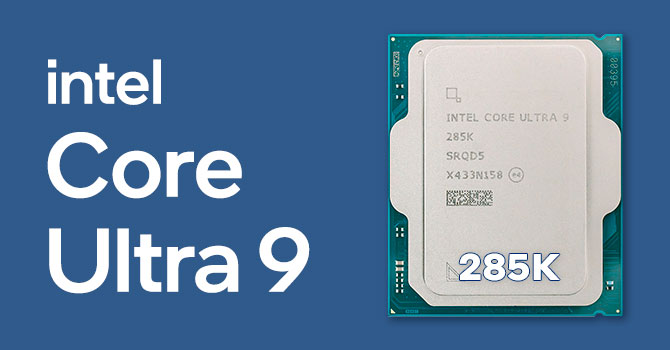
Arrow Lake Gets a Second Chance
Let's be honest: Arrow Lake's original launch was rough. The Core Ultra 200S chips arrived with promising efficiency numbers but underwhelming gaming performance, leaving AMD's Ryzen 9000X3D lineup largely unchallenged at the top. Intel needed a course correction, and with the Arrow Lake Refresh — officially the Core Ultra 200K Plus series — they've delivered one that actually matters.
The two launch SKUs are the Core Ultra 7 270K Plus and Core Ultra 5 250K Plus. Both bring additional E-cores, higher clock speeds, DDR5-7200 memory support, and Intel's new Binary Optimization Tool. The result is a measurable improvement across the board, particularly in gaming workloads where the original Arrow Lake chips struggled.
The Silicon: What Changed
The architectural story here is evolution, not revolution. Intel kept the same Lion Cove P-cores and Skymont E-cores from the original Arrow Lake design, but made targeted improvements that address the first generation's weaknesses.
The Core Ultra 7 270K Plus moves to a 24-core configuration: 8 P-cores and 16 E-cores, up from the 8P+12E layout of the Core Ultra 7 265K. That's four additional E-cores, matching the core count of the flagship Core Ultra 9 285K. P-core boost clocks hit 5.5 GHz, and the chip maintains a 125W base TDP.
The Core Ultra 5 250K Plus gets even more interesting. Its 6P+12E layout (up from 6P+8E on the 245K) gives it 18 cores total, with P-cores boosting to 5.3 GHz and E-cores reaching 4.6 GHz. At its price point, this is a lot of silicon.
Both chips gain official DDR5-7200 CUDIMM support — a significant bump from the DDR5-5600 baseline of the original Arrow Lake parts. The new 4R CUDIMM support also enables up to 128GB per DIMM on Intel 800-series motherboards, which is a meaningful upgrade for workstation users who need both performance and capacity.
Performance: The 15% Claim
Intel claims a 15% gaming performance improvement at 1080p, derived from a geometric mean across 38 games tested at High settings. Independent reviews largely confirm this is in the right ballpark, though your mileage will vary by title.
The Core Ultra 7 270K Plus lands roughly on par with the Core i9-14900K in gaming — which, given that the 14900K was a power-hungry 253W beast and the 270K Plus runs at 125W base, represents a substantial efficiency improvement. Against AMD's current lineup, the 270K Plus comes in about 2.4% faster than the Ryzen 7 9700X in games at 1080p.
The Core Ultra 5 250K Plus is arguably the more impressive chip. Tom's Hardware called it "the new best $200 CPU," noting that it punches well above its weight class, beating CPUs at double its price point in multi-threaded applications. For a chip starting at $199 MSRP, that's a compelling value proposition.
Pricing and Availability
Intel set aggressive MSRPs: $299 for the Core Ultra 7 270K Plus and $199 for the Core Ultra 5 250K Plus. In practice, retailer listings have crept slightly higher — Newegg has the 270K Plus at $329-$349 and the 250K Plus at $219 — but these are still competitive prices, especially compared to AMD's Ryzen 9000X3D parts.
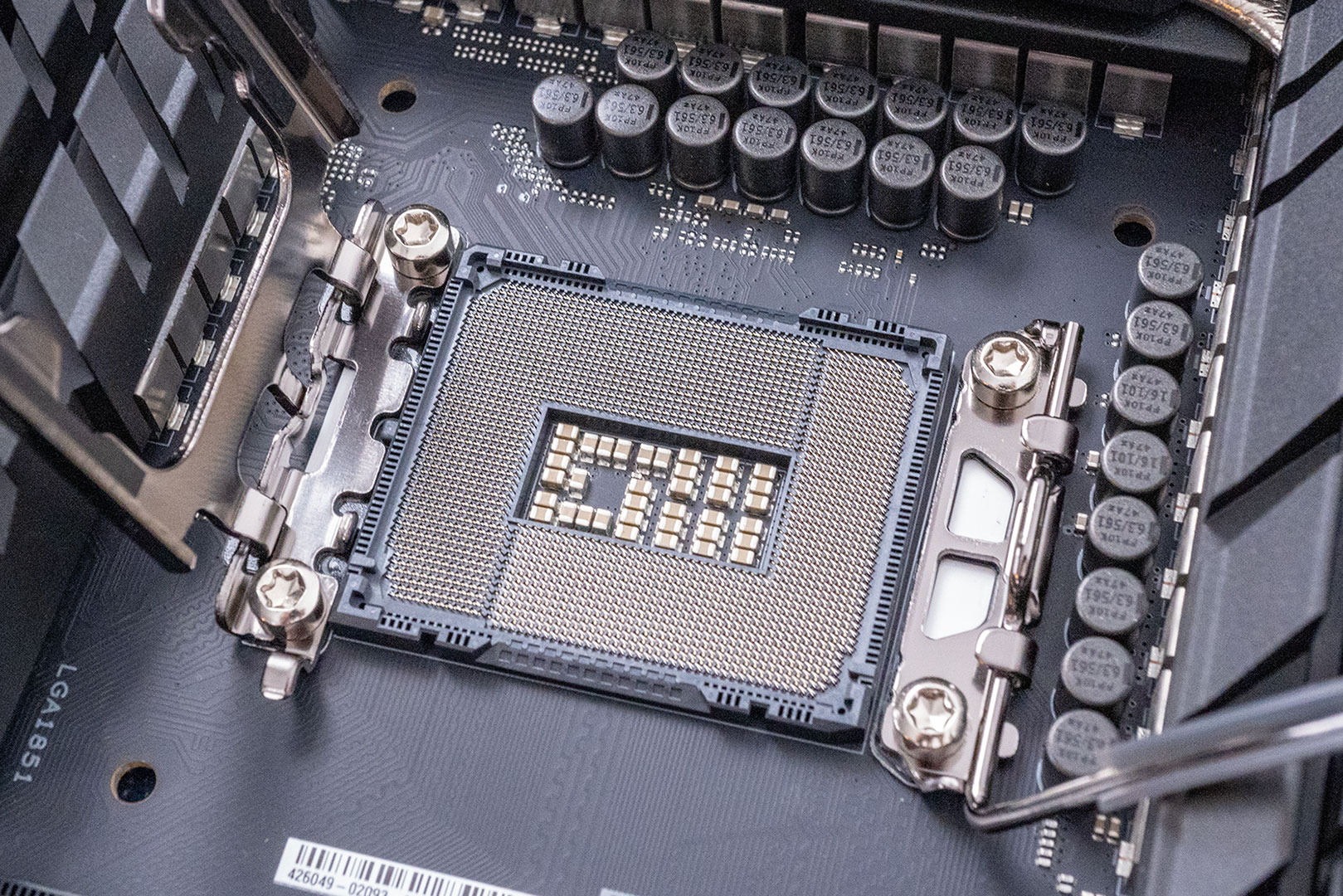
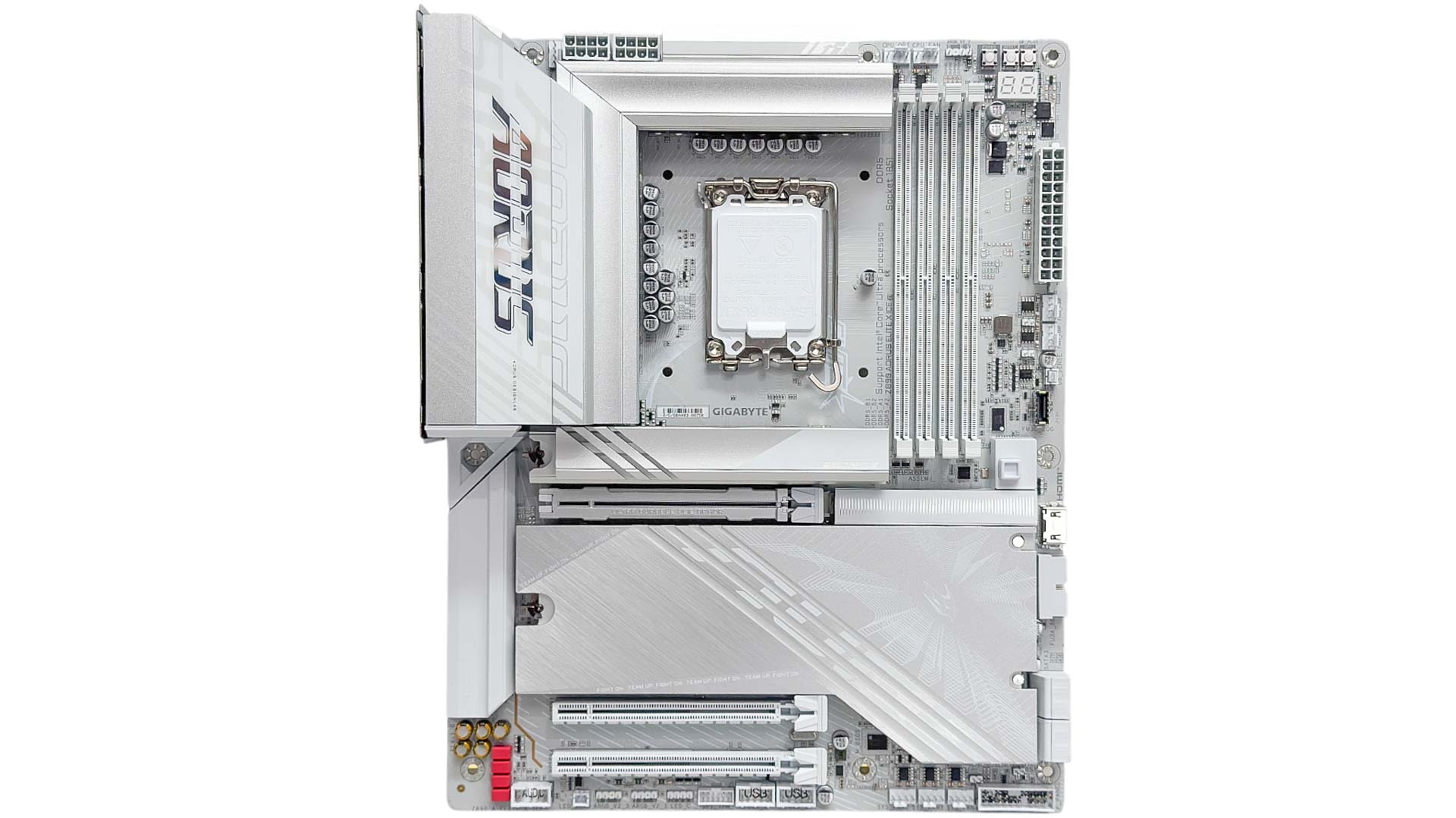
Both chips drop into existing Intel 800-series motherboards with a BIOS update, so there's no platform cost for existing Arrow Lake owners looking to upgrade.
The Bigger Picture
Arrow Lake Refresh doesn't rewrite the CPU performance hierarchy. AMD's Ryzen 7 9800X3D still holds the gaming crown, and Zen 5-based chips lead in heavily threaded workloads. But Intel has closed the gap meaningfully, and the 250K Plus in particular offers a value proposition that AMD currently can't match at the $200 price point.
What's also worth noting is the broader context: AMD's Zen 6 "Olympic Ridge" desktop chips have been delayed to 2027, and Intel's own Nova Lake is similarly pushed back. That means the current generation — Arrow Lake Refresh versus Ryzen 9000 — is going to be the competitive landscape for a while. The memory crisis affecting GPUs is also impacting DDR5 pricing, with 32GB kits above DDR5-9000 speeds now costing over $800. This makes the improved DDR5-7200 baseline support on Arrow Lake Refresh particularly practical: you get most of the performance benefit without needing the most expensive memory kits.
Intel needed Arrow Lake Refresh to be good enough to keep the company relevant while it works toward Nova Lake. Mission accomplished. The Core Ultra 5 250K Plus is the standout — a genuinely excellent CPU at a price that makes sense in a market where everything else is getting more expensive.
Loading comments...