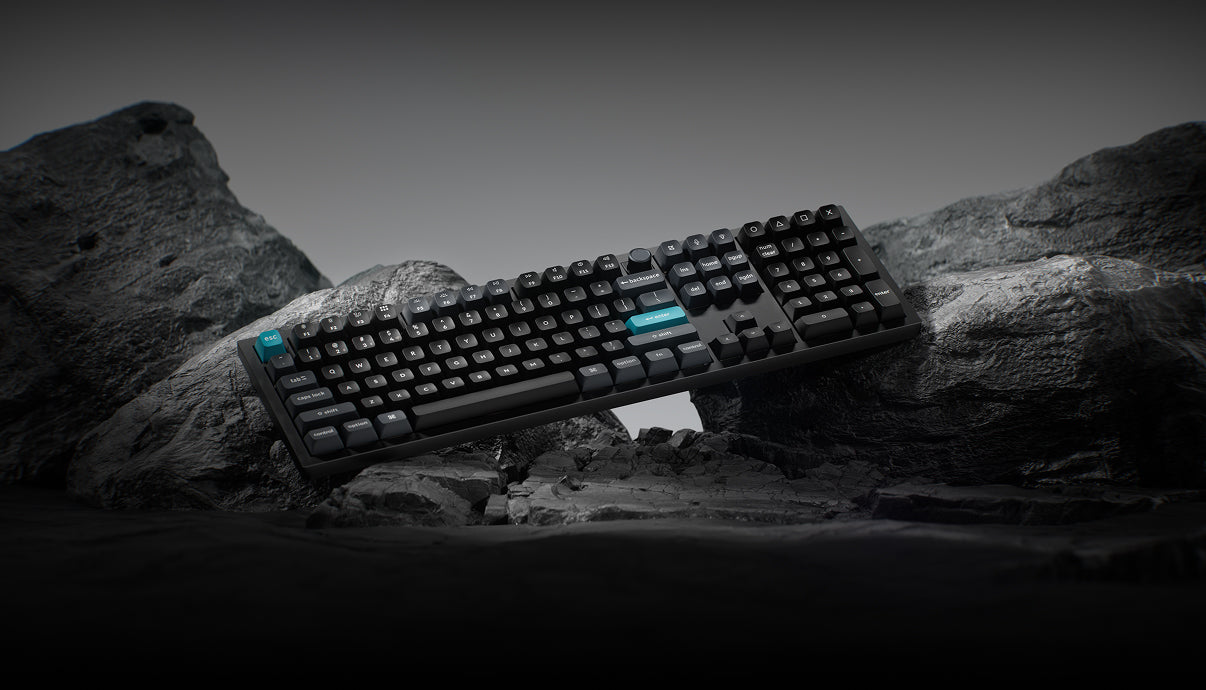
8 kHz Wireless Finally Stops Feeling Like a Power Gamble For a lot of years, high polling wireless keyboards in keyboard circles felt like a trade-off: you got the speed brag, then watched the battery crawl into the red by nightfall. Tom's Hardware’s review of the Keychron Q6 Ultra 8K is interesting because it does not just claim that cycle is broken — it shows numbers that are actually hard to ignore in 2026. In one big, practical sentence: this is a full-size board, shipping with an 8,000 Hz wireless mode and still surviving long enough to make gamers stop treating recharging like a sport.
The piece puts the spotlight where it should be, on firmware and power policy instead of brochure adjectives. At first glance, QMK vs ZMK sounds like an implementers-only argument, but Keychron chose ZMK here, and that single stack decision appears to be the hidden lever behind the chart-busting battery behavior.
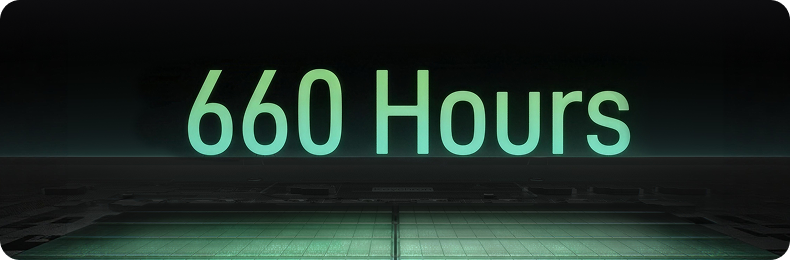
The Real Hook: 660 Hours Is Not Marketing, It Is a Baseline Shift The headline-worthy number from the review is 660 hours over 2.4 GHz with lights off, and 200 hours with lighting on at its lowest level. Even with the caveat that real-world usage always varies, those figures are extraordinary for an 8 kHz wireless board and they land in a category where many similar products can barely get through a day in heavy use. If you are a user who types long sessions, codes, and still games after midnight, this shifts planning from micro-charges to weekend charging cycles.
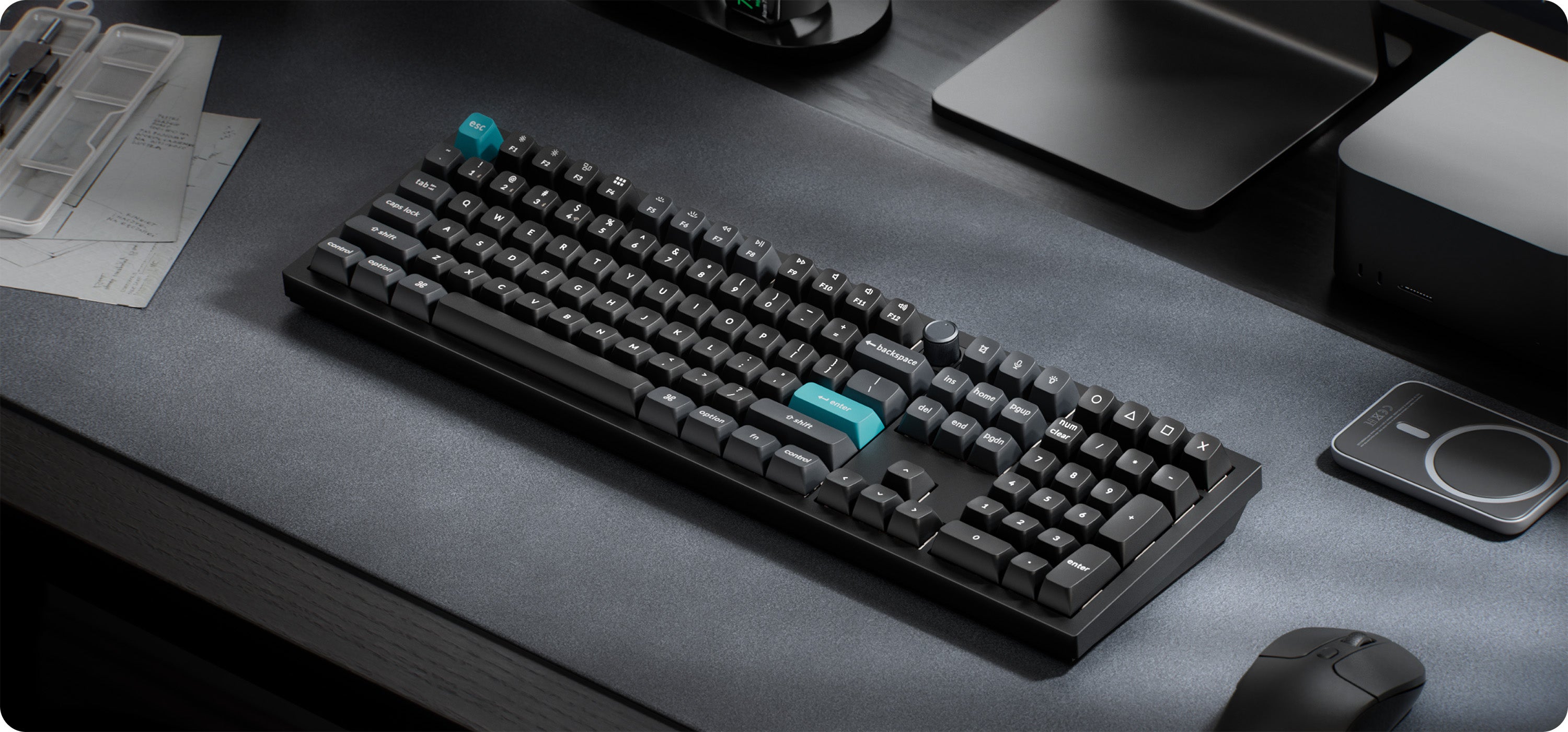
That endurance is also coming with size and weight most people underestimate when they talk about wireless mechanics. The review lists the Q6 at 4.93 lbs and 17.56 x 5.39 inches; this is a desk anchor, not a travel board, and for that form factor the battery story is even more meaningful because this is the exact class of keyboard people leave powered at home and expect consistency from.
What the Thock Community Should Read in the Specs On the keyfeel side, the Q6 Ultra 8K uses Keychron Silk POM Brown switches: 55g operating force, 2.0 mm pre-travel, and 4.0 mm total travel. That is a heavier, smoother, high-resistance profile with a soft tactile bump that the reviewer described as bordering on a “sticky linear” sensation rather than an aggressive click stack. It is still a very nice typing feel for many, but it is also subjective and not everyone’s favorite if your preference is crisp snap and short reset certainty. In the review’s typing sample, 115 WPM at 98% accuracy was still strong, though below the reviewer’s usual 125 WPM baseline, which is exactly the kind of lived-feel data that matters when you care about real fingers, not synthetic scoring.
Compare Against Morph 96: Different Strength, Different Personality Tom's Hardware’s separate review of the Asus ROG Strix Morph 96 Wireless gives us a useful benchmark lane. Morph is lighter at 2.48 lbs and cheaper at $139.99, with NX Snow V2 linears at 40g initial force, 53g total and 1.8 mm actuation point — that’s a more immediately playful, speedy profile for many typists. Its battery figures are still excellent (590h 2.4 GHz lights off, ~100h lights on, 750h Bluetooth lights off, 110h lights on), but Keychron’s 660h/200h 2.4 GHz result at the same high polling class is genuinely competitive in the endurance bracket.
The takeaway is simple and very community-friendly: if you want raw switch authority and compact travel on the clock, Morph remains the better “nimble” choice; if you prioritize long-haul 8 kHz reliability on a large board, the Q6 is the one carrying the bigger battery card. For people who care about the feel chain as a whole, that means choosing between an energetic keystroke profile and absurd endurance — and for the first time, 8 kHz doesn't force you to pick one.
Loading comments...