The Sequel Nobody Expected This Soon
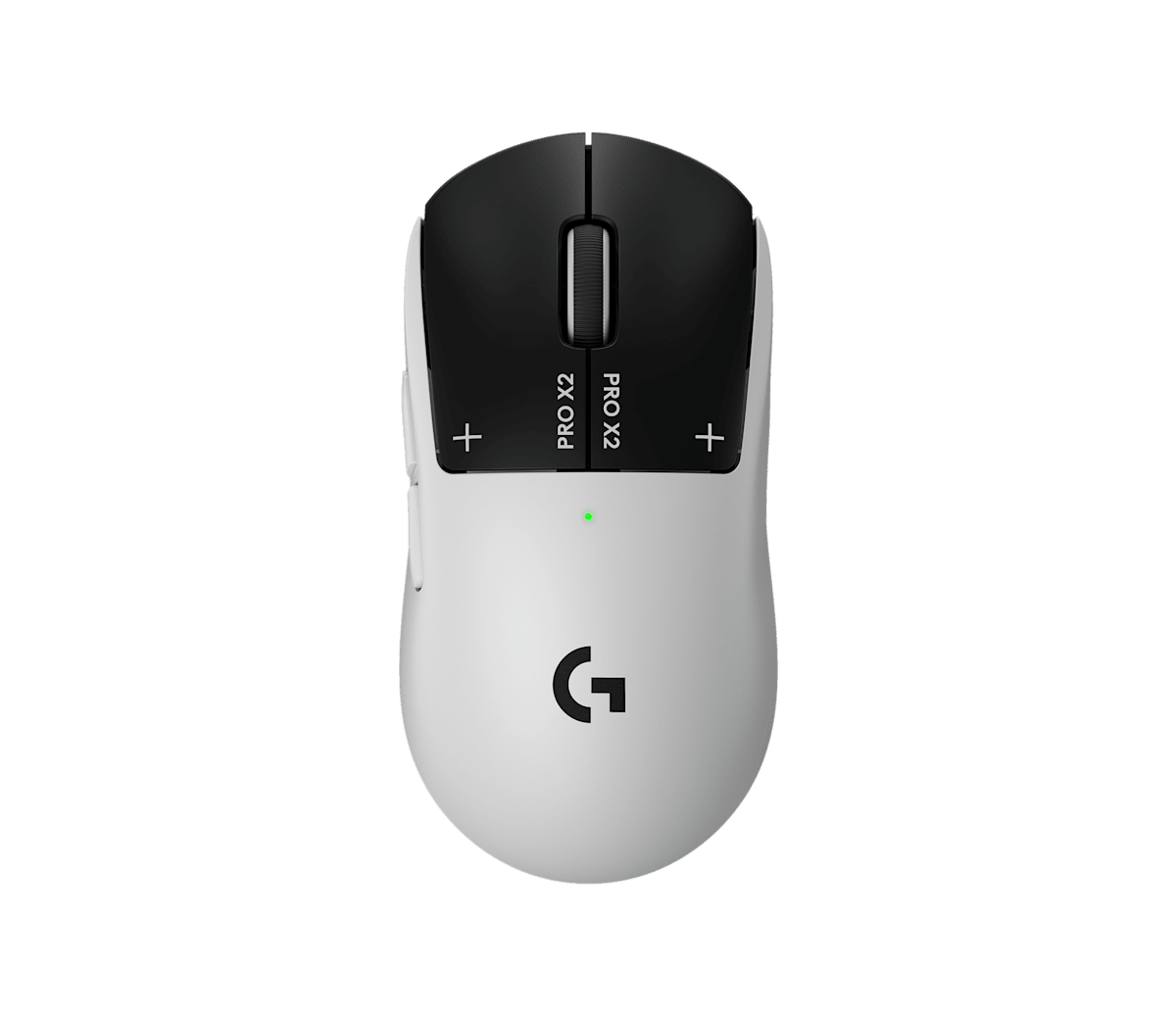
The G Pro X2 Superstrike only hit shelves a few months ago, and Logitech is already prepping the follow-up. According to a leak out of the Pericord Discord server — surfaced by @jakeufps on X — the Superstrike 2 is slated for a reveal at Logitech G PLAY this September. Both the 2024 and 2025 G PLAY events landed on September 17th, so pencil that date in.
That's an aggressive cadence for a $179.99 flagship. If you just dropped premium money on the original, I get the frustration. But from a pure performance standpoint, this leak tells us exactly where Logitech thinks the remaining milliseconds are hiding — and it's not in the sensor.
Same HERO 2, New MCU — And That's the Right Call
The headline detail: no HERO 3. The Superstrike 2 reportedly keeps the existing HERO 2 sensor — 44,000 DPI, 888 IPS, 88G acceleration, 8000Hz polling. Some people will call that lazy. Those people don't understand where latency actually lives in 2026.
HERO 2 already tracks faster than any human hand can move. 888 IPS means you could swipe your mouse at over 22 meters per second before the sensor loses the plot. Nobody flicks that fast. Not Faker, not anybody. The sensor stopped being the bottleneck two generations ago.
The MCU is a different story. The microcontroller is the traffic cop between the switch, the sensor, and the radio — and on an inductive-haptic mouse like the Superstrike, it's doing way more work than on a conventional optical-switch design. The MCU has to read the analog position of the trigger, decide whether you've crossed your chosen actuation point, fire the haptic pulse, and push the report out over LIGHTSPEED. Every one of those steps eats microseconds. A faster MCU tightens the entire chain.
HITS Gets Refined, Not Reinvented
The leak also points to tweaks to HITS — the Haptic Inductive Trigger System that made the original Superstrike the first proper analog mouse. Quick refresher for anyone who slept on it: instead of a mechanical or optical switch, HITS reads the electromagnetic induction of the button and gives you 10 selectable actuation steps plus five rapid-trigger reset levels across 0.6mm of travel. Logitech claimed clicks up to 30ms faster than competing mice, and a simulated click via haptic motor instead of a physical switch break.
What needs tweaking? Two things, based on my time with the original. First, the haptic feedback at the lightest actuation settings can feel slightly disconnected from the moment of actuation — your brain registers the buzz a hair after the shot fires. Second, rapid trigger reset consistency under spam-clicking could be tighter. If the new MCU cleans up both, this stops being a fascinating gimmick and becomes the default pro-tier main.
The Shape Stays — Thank God
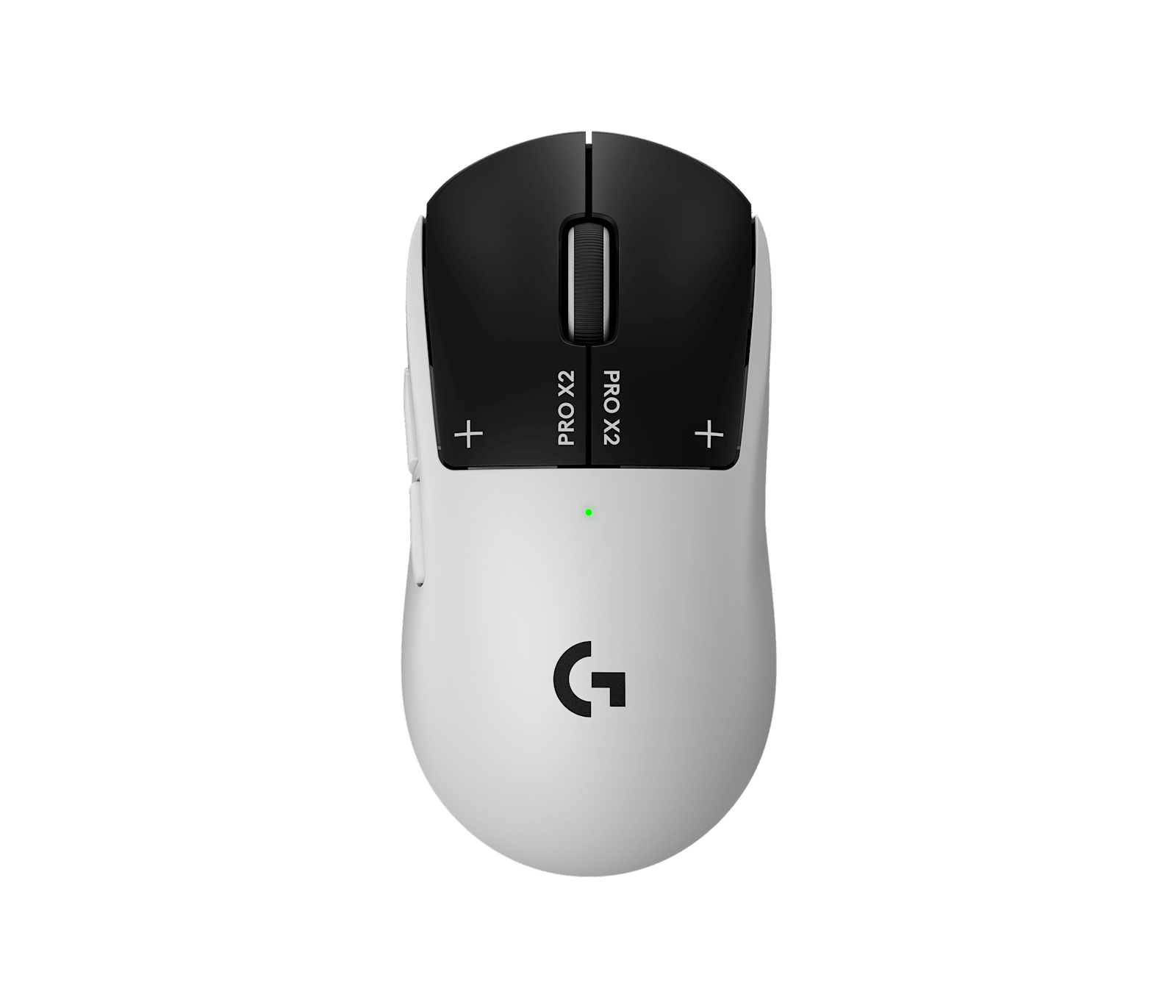
Nothing in the leak suggests a shell redesign, and that's a win. The Superstrike's 61g safe-shape ambidextrous body is basically Superlight DNA with haptics bolted in. At 61g it's not the lightest flagship — Razer's Viper V3 Pro undercuts it at 54g — but weight distribution matters more than raw grams once you're under 65, and the Superstrike balances dead-center. Muscle memory transfers from a Superlight 2 in about one aim-trainer session.
What This Means For Your Wallet
Here's my read. If you own the original Superstrike: hold. An MCU bump and haptic tuning is an iteration, not a revolution, and your mouse isn't suddenly slower. If you've been Superstrike-curious: wait for September. Either you get the improved version, or the original drops below $150 the week the sequel ships. Both outcomes beat buying today at $179.99.
And if Logitech reads this: ship the firmware improvements to gen-one owners where possible. The induction hardware is already in our hands — if the latency gains are mostly MCU scheduling and haptic timing, some of that should be portable. Every millisecond is a missed headshot, and charging us twice for the same milliseconds is a bad look.
Loading comments...