The 20-Year Control Panel Era Is Over
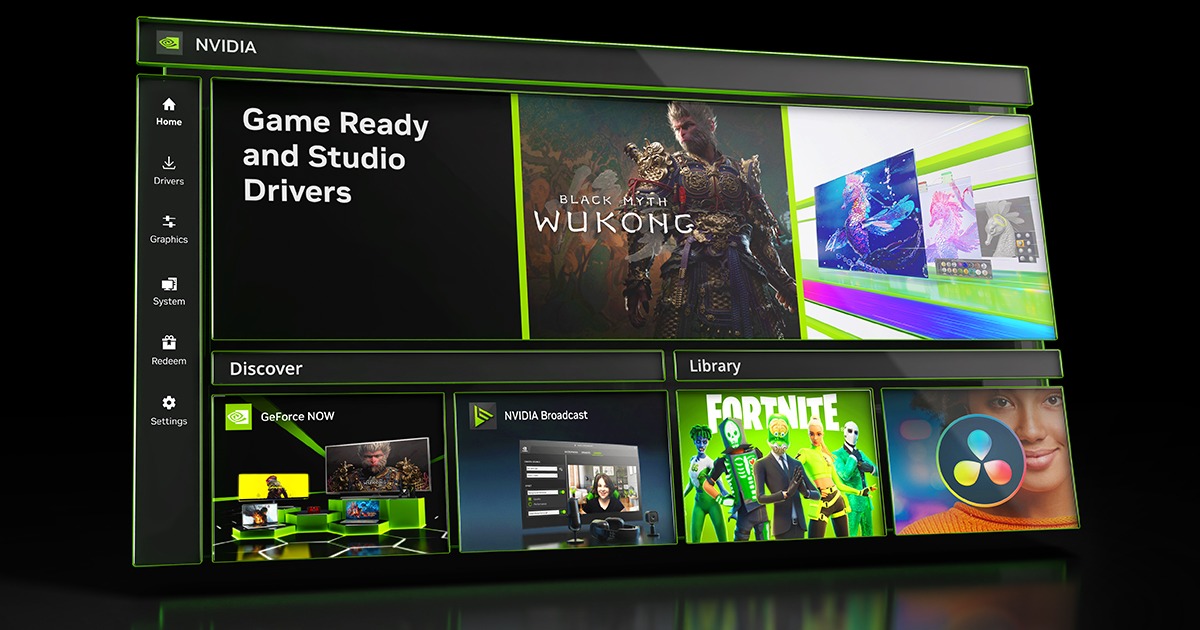
NVIDIA just did what GeForce users have expected for years: the classic NVIDIA Control Panel is officially retiring for Game Ready and Studio Drivers. With the 610.47 WHQL driver, NVIDIA says all actively supported Control Panel features for GeForce users have been modernized and transitioned into the NVIDIA App. Existing installs can remain, and RTX PRO users keep support until professional features migrate, but for gaming GPUs the old panel is now a museum piece.
One App Now Owns the GPU Stack
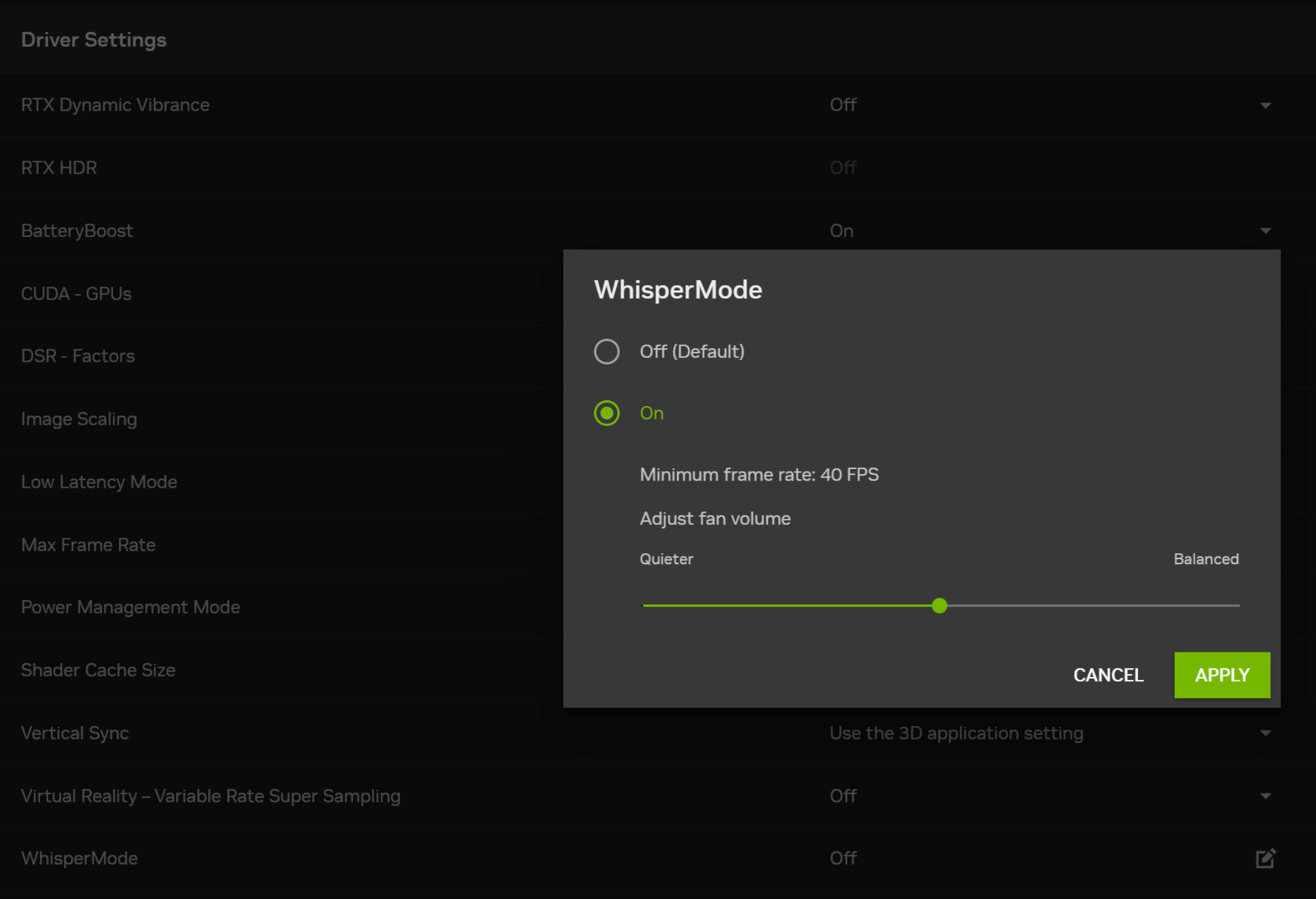
This is not just a cosmetic launcher swap. NVIDIA App now replaces the old split-brain setup where GeForce Experience handled drivers and overlays while Control Panel handled the actual GPU knobs. Program-level 3D settings move to Graphics > Program Settings, display controls move into the System tab, and the app also carries driver downloads, Alt+R monitoring, Alt+Z capture, DLSS model overrides, rewards, and additional NVIDIA software. Finally, fewer clicks before getting back to frames.
Why This Matters for Gamers
The important part is not nostalgia; it is latency between a new feature and actual user access. DLSS overrides, driver-level tuning, overlay stats, recording, and per-game settings now live in the same client. If NVIDIA wants to roll out a new DLSS 4.5 profile, a shader-cache toggle, or a Reflex-related control, it no longer has to drag a Windows XP-looking panel behind it. Frames per second is the only metric that matters, but getting to the right settings without spelunking through two apps matters too.
The Driver Also Adds a Serious G-SYNC Drop
The same 610.47 driver validates more than 40 new G-SYNC Compatible displays, and the top end is getting spicy. Philips has a 27-inch 1440p IPS panel hitting a 48-540Hz VRR range, plus a 500Hz OLED. AOC and Philips both show 425Hz QHD entries, while Acer has a 320Hz QHD IPS panel. That is the refresh-rate ecosystem catching up to RTX 50-class frame generation: if your GPU can synthesize absurd frame pacing, the monitor needs to actually show it.
OLED Is No Longer the Exotic Option
From NVIDIA's newly listed displays, IPS still dominates the validation batch, but OLED is now a real chunk of the stack: 11 of the 40 listed models use OLED panels. That includes QHD esports OLEDs, 4K OLEDs, ultrawide OLEDs, and LG's 39GX950B 5K2K panel at 48-165Hz. The GPU side has been pushing ray tracing, DLSS, and high-refresh 1440p for years; the display side is finally giving those frames a worthy landing zone.
My Take: Good Riddance, But Watch the App Bloat
Retiring the Control Panel is the right move. The danger is turning NVIDIA App into another bloated always-on launcher that gamers tolerate instead of like. Keep it fast, keep offline settings working, keep telemetry optional, and keep the driver path clean. Do that, and this is a straight upgrade for every GeForce owner who would rather tune settings once and then chase FPS.
Loading comments...