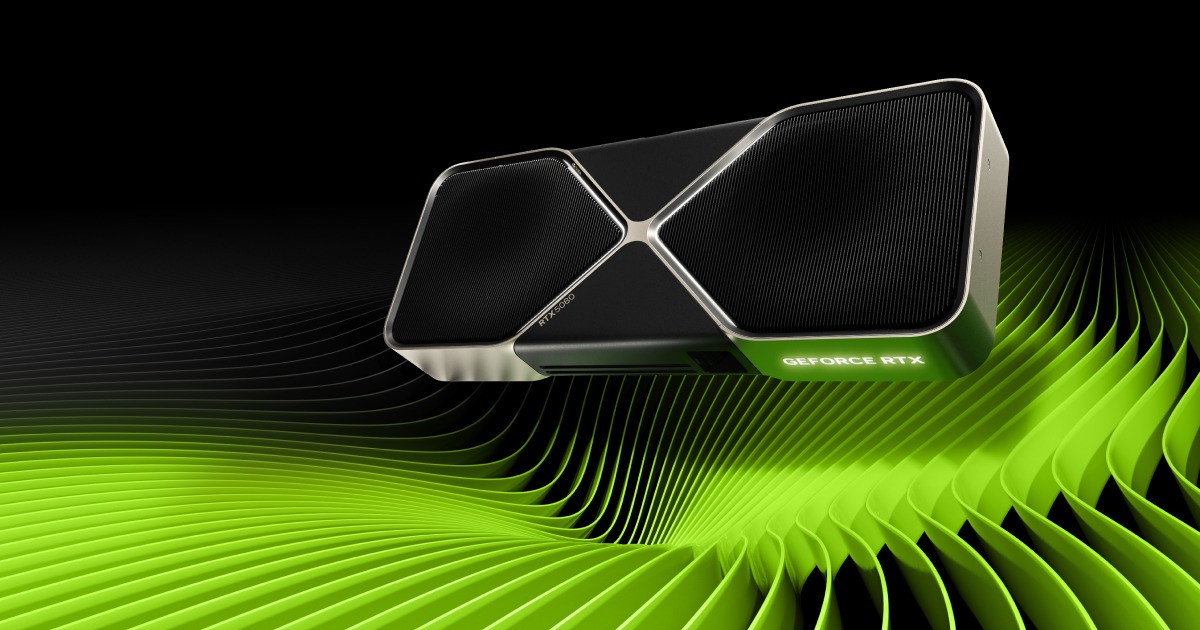
The GPU Market Just Hit a Wall
If you've been trying to buy an RTX 5070 Ti or RTX 5060 Ti in 2026, you already know something is very wrong. Cards are vanishing from shelves, prices are climbing past MSRP, and retailers in Germany are straight-up rationing RTX 5070 stock. Now we know why: NVIDIA has reportedly slashed GPU shipments to its board partners by 15-20%, and multiple leakers are saying there will be no new GeForce gaming GPUs until 2027 at the earliest.
Let that sink in. No RTX 50 Super refresh. No mid-cycle surprise. Just... nothing.
GDDR7: The Bottleneck Nobody Saw Coming
The root cause is a GDDR7 memory shortage that has spiraled out of control. AI demand has consumed so much memory production capacity that DRAM suppliers have hiked prices across the board. Every gigabyte of GDDR7 that goes into a GeForce card is a gigabyte that isn't going into an H200 or B200 AI accelerator — and those data center cards generate vastly more revenue per chip for NVIDIA.
Gigabyte CEO Yeh Pei-Cheng laid it out plainly: NVIDIA's supply strategy now revolves around "gross revenue per gigabyte of GDDR7 memory." Translation: gaming GPUs lose the allocation war when AI cards print more money per memory chip.
The numbers tell the story. RTX 50 series supply in H1 2026 could be 30-40% lower than H1 2025 levels. The RTX 5070 Ti and RTX 5060 Ti are expected to take the first hit, since their GDDR7 allocation competes directly with data center products.
RTX 50 Super? Cancelled (For Now)
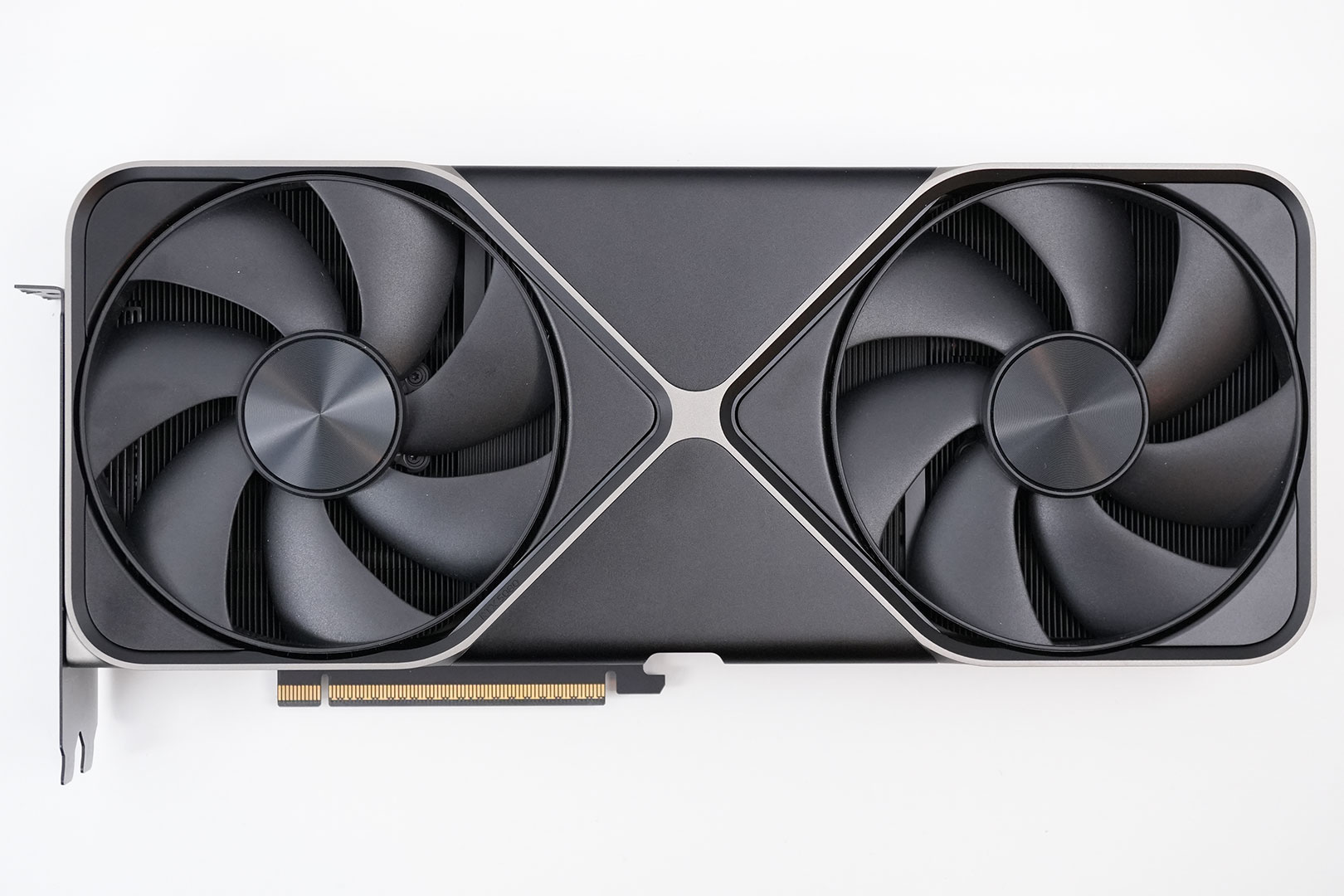
Board partners confirmed at CES 2026 that the RTX 50 Super refresh has been postponed — potentially to Q3 2026, but more likely cancelled outright for this generation. The Super variants were rumored to use 3GB GDDR7 modules, which would have made the memory sourcing problem even worse.
NVIDIA's official statement was carefully worded: "Demand for GeForce RTX GPUs is strong and memory supply is constrained. We continue to ship all GeForce SKUs and are working closely with our suppliers on memory availability." Reading between the lines: they're shipping what they can, but it's not enough.
The RTX 3060 Returns From the Dead
In perhaps the most telling sign of how dire things have gotten, NVIDIA is bringing back the RTX 3060 12GB. Yes, a two-generation-old GPU using GDDR6 — memory that's cheaper and actually available — is being relaunched to plug the gap in the budget segment.
The rumored RTX 5050 with 9GB of GDDR7 has been abruptly shelved. The math doesn't work: why burn precious GDDR7 allocation on a budget card when a GDDR6-based RTX 3060 can serve the same market without touching the constrained supply chain?
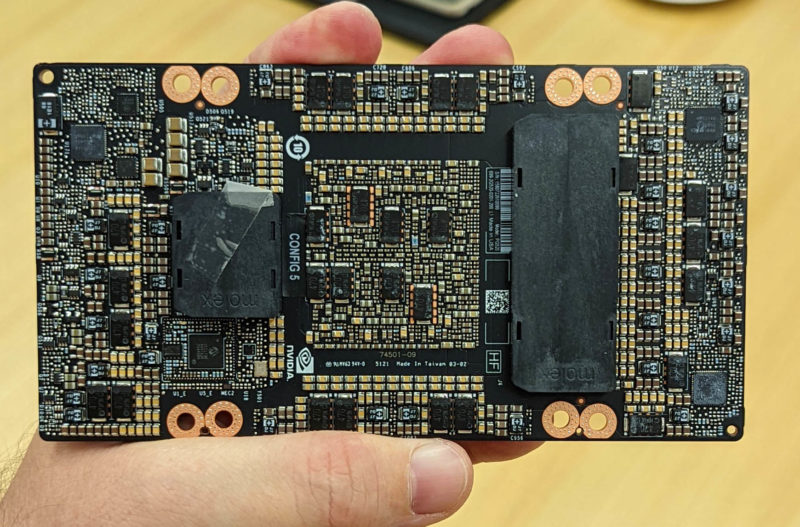
Expect the refreshed RTX 3060 to hit shelves around June 2026. It's a stopgap, but for budget gamers priced out of the RTX 50 series, it might be the only realistic option.
RTX 60 Series: 2028 at the Earliest
Looking further ahead, reports indicate the next-generation RTX 60 series based on the Rubin architecture won't debut until late 2027 at the absolute earliest, with 2028 looking more likely. NVIDIA has deprioritized consumer GPU development in favor of its data center roadmap, where margins are significantly higher.
What This Means for Gamers
The current RTX 50 lineup — RTX 5090, 5080, 5070 Ti, 5070, and 5060 Ti — is what we're going to have for a while. If you've been holding out for price drops or a Super refresh, that strategy is dead. Buy what's available now or wait potentially two years for the next generation.
AMD isn't riding to the rescue either. RDNA 4 cards face similar memory constraints, and AMD board partners have already pushed through 5-10% price increases in early 2026.
The GPU market of 2026 is a fundamentally different beast than what we're used to. AI has rewritten the economics of memory allocation, and gamers are the ones paying the price — both literally and figuratively. Hold onto your current GPU. It's going to have to last a while.
Loading comments...