Shokz Is No Longer Just the Bone-Conduction Company
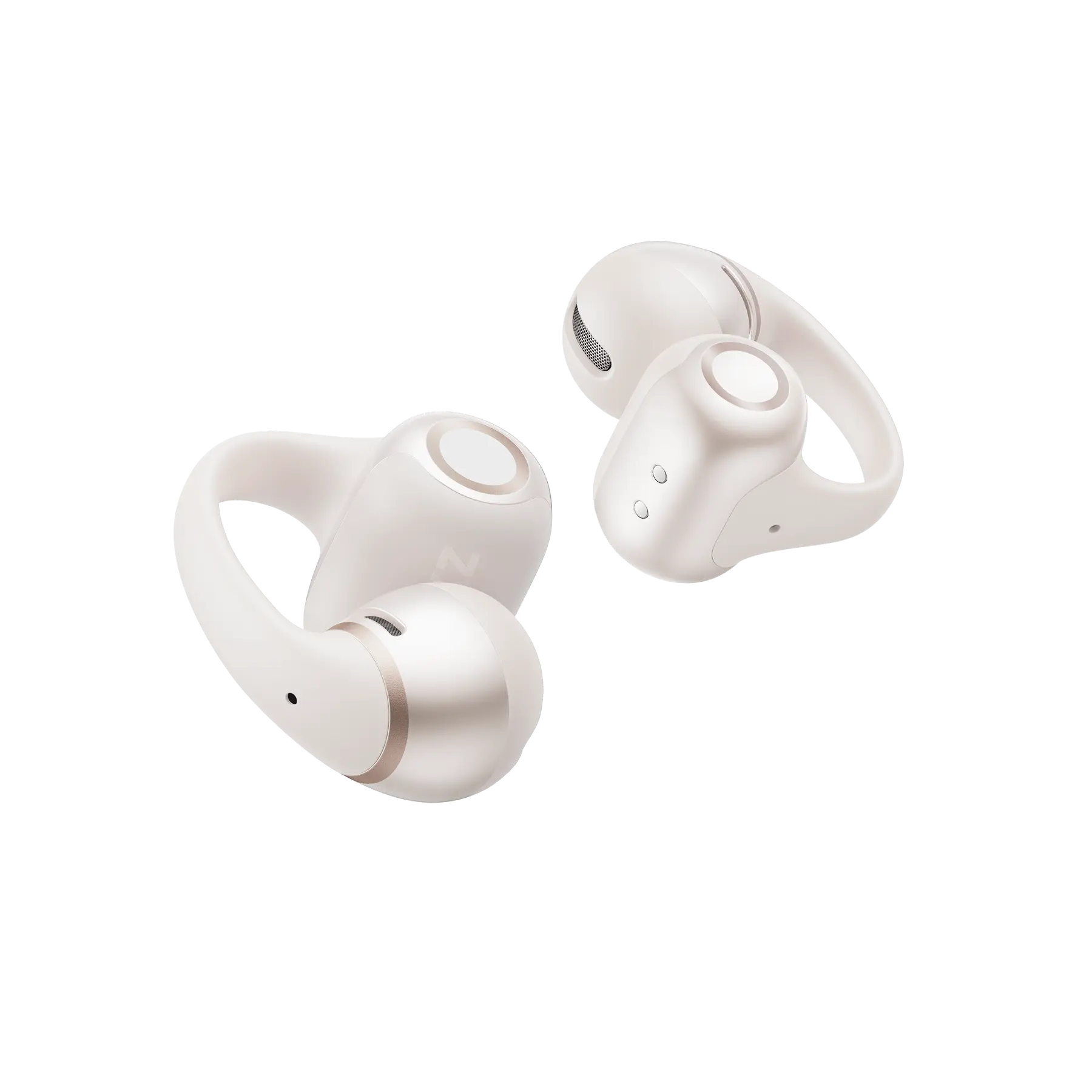
Shokz built its identity around bone-conduction sports headsets, but the new OpenDots 2 and OpenDots Air make the pivot unmistakable: the company wants a serious position in open-ear air-conduction earbuds. According to audioXpress, the OpenDots 2 launches at $199.95 while the lighter OpenDots Air comes in at $129.95, giving Shokz both a premium and midrange answer to the rapidly growing clip-on category.
The Acoustic Trick Is Directionality, Not Magic Bass
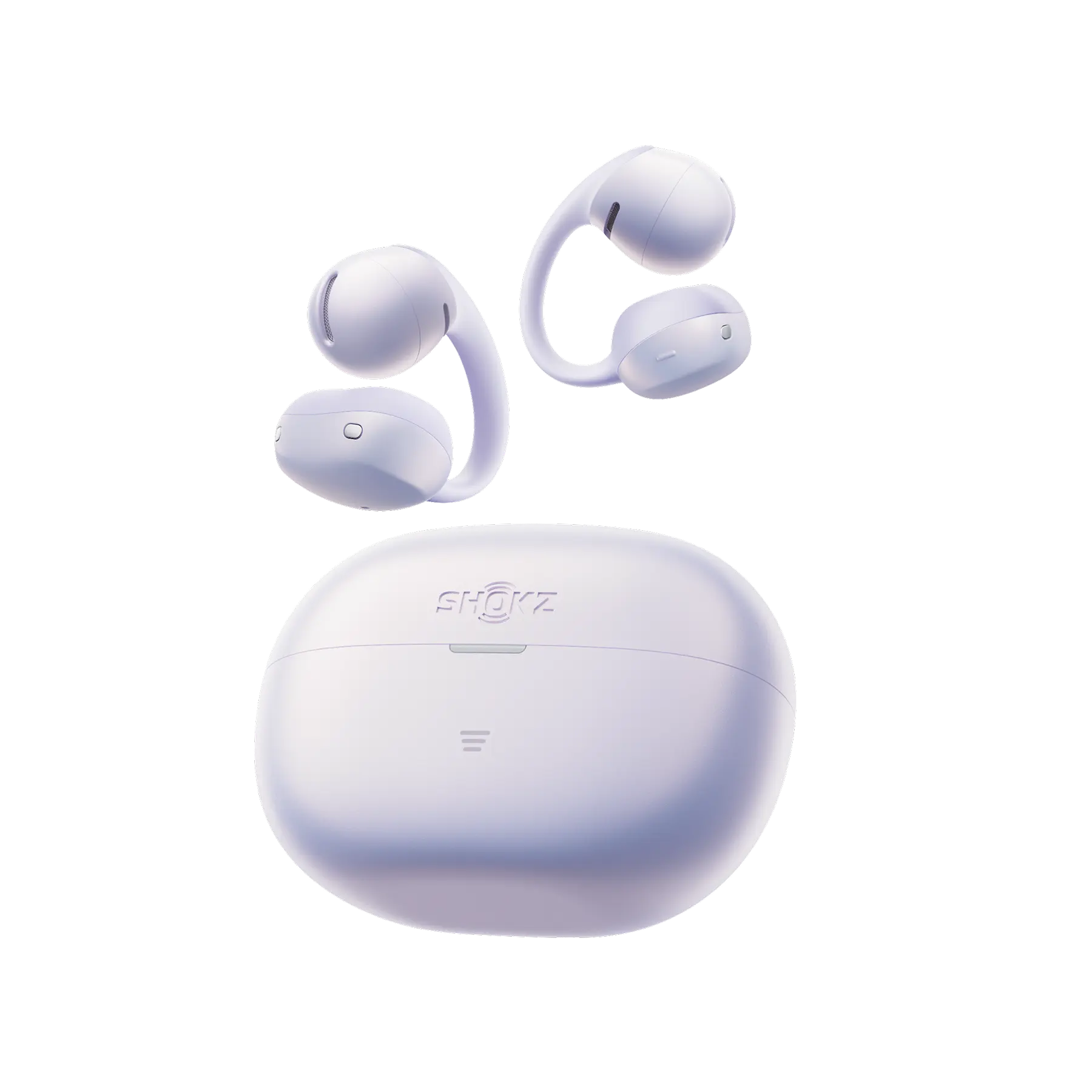
Open-ear earbuds always fight the same physics problem: without an acoustic seal, low-frequency pressure leaks into the room instead of coupling efficiently into the ear canal. Shokz is attacking that with its Bassphere approach — dual 11.8mm drivers arranged inside a compact spherical acoustic structure, intended to behave more like a larger 16mm driver while keeping the module small enough to clip onto the ear. OpenDots 2 upgrades that system to Bassphere 2.0 and adds MirrorPitch Technology to aim more energy toward the ear.
OpenDots 2 Is the Real Technical Play
The flagship model gets the more interesting signal chain: dual 11.8mm drivers, upgraded Dolby Audio processing, a dedicated bone-conduction microphone plus dual air-conduction microphones, AI noise reduction, Qi wireless charging, IP57 water resistance, multipoint pairing, wear detection, and automatic left/right channel recognition. That last feature matters more than it sounds — symmetric clip-on designs are convenient only if the software can reliably identify channel orientation without making the listener think about it.
OpenDots Air Trades Features for Weight and Price
OpenDots Air keeps the same 11.8mm driver diameter and Bassphere branding but drops to a lighter 6.3g-per-bud design with IP55 water resistance, DirectPitch leakage reduction, app EQ presets, multipoint pairing, and AI-assisted call clarity. Battery life is still strong at 9 hours per charge and 36 hours with the case. On paper, that makes Air the more rational everyday product; OpenDots 2 is for listeners who care more about maximum output, call isolation, and the more complete feature stack.
The Open-Ear Compromise Remains
Flat response is just the beginning, and open-ear products rarely get close to flat below the midbass. The selling point here is not studio neutrality — it is environmental awareness, comfort, and lower occlusion. If Shokz can keep vocal intelligibility stable while improving bass focus and reducing outward leakage, these could be useful daily drivers for office, commuting, and light exercise. If not, they become stylish background-listening devices with very good ergonomics.
Why This Launch Matters
The broader signal is that open-ear audio is maturing beyond novelty hardware. Shokz now has OpenDots ONE, OpenDots 2, and OpenDots Air clustered around the same clip-on concept, with prices spanning $129.95 to $199.95 and battery life reaching 40 hours with the case. That is no longer a side experiment from a sports-audio brand — it is a product line. The next thing I want to see is independent measurement: leakage curves, in-ear response variation by ear shape, and call-mic rejection in real noise. Until then, the spec sheet says Shokz is taking the form factor seriously.
Loading comments...