The SSD Shortage Is Not Over
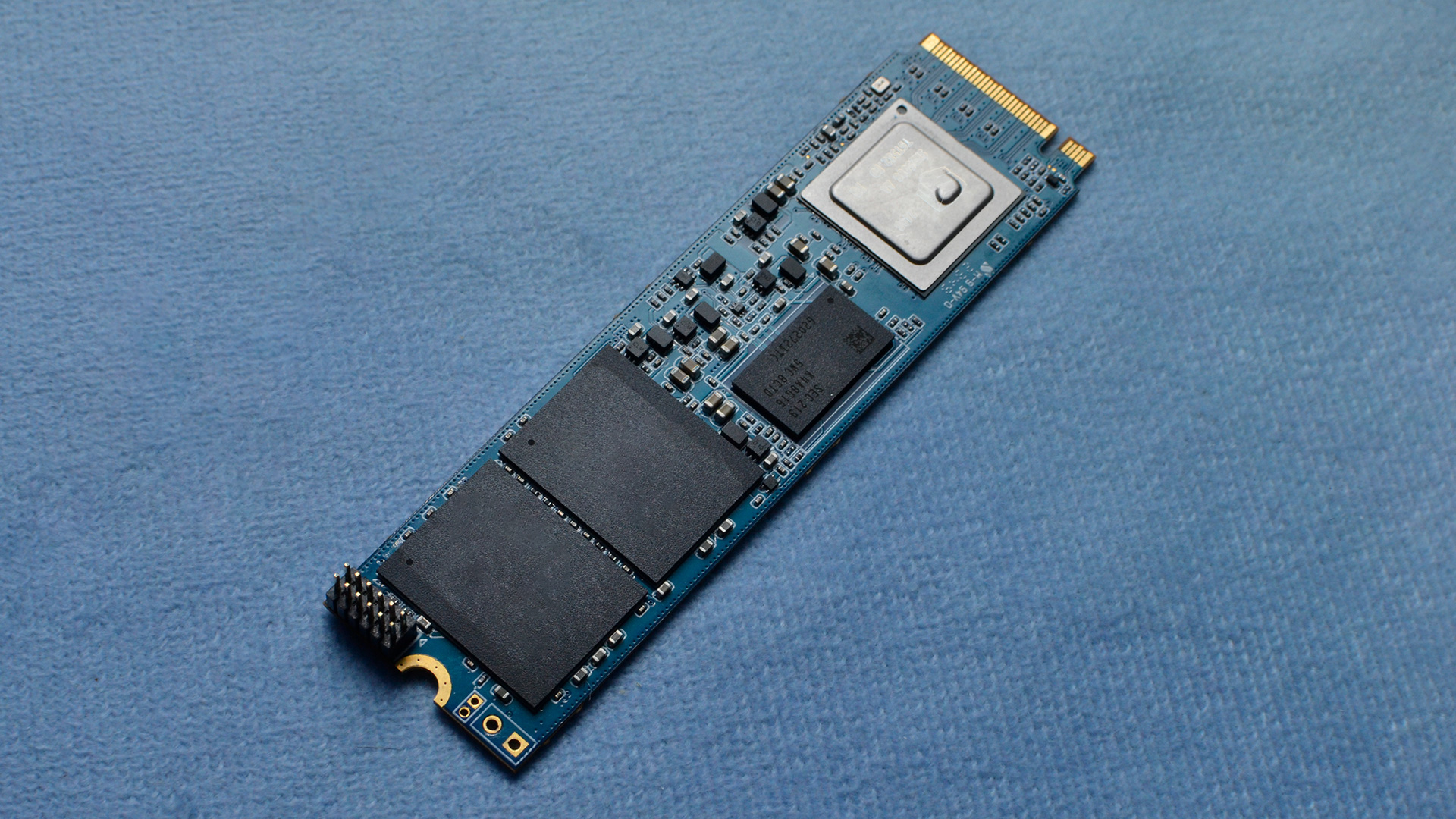
Silicon Motion just gave the consumer SSD market the kind of warning that makes me check my NAS cold-spare shelf twice. In an interview with Tom's Hardware, Nelson Duann, senior vice president of Silicon Motion's client business unit, said NAND supply for consumer applications will stay tight through the second half of 2026 — and that 2027 is expected to be the worst year from a NAND supply perspective.
That matters because Silicon Motion is not a random bystander. Its controllers sit inside a huge chunk of retail and OEM SSDs, from DRAMless client drives to high-end PCIe 5.0 models and enterprise designs. If the controller vendor is saying flash allocation is ugly, listen.
Controllers Are Selling, Flash Is the Problem
The weird part is that Silicon Motion itself is doing very well. The company reported Q1 2026 sales of $342.1 million, up 23% quarter-over-quarter and 105% year-over-year. SSD controller sales were up 40% to 45% year-over-year, helped by high-end PCIe 4.0, PCIe 5.0, UFS, eMMC, and enterprise controller demand.
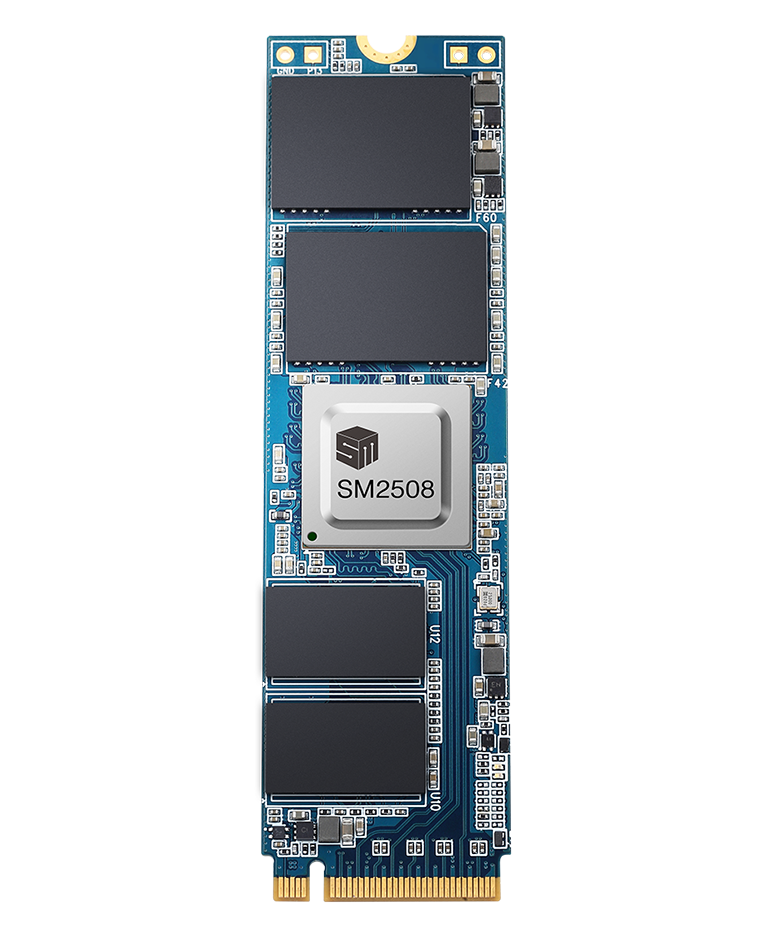
In plain storage-goblin English: the brains of the SSD are selling fine. The NAND packages are the bottleneck. You can have all the controllers you want, but without enough 3D NAND wafers allocated to client drives, retail SSD capacity gets squeezed, prices rise, and 4TB/8TB upgrades become a lot less fun.
Data Centers Are Eating the NAND Buffet
Duann's explanation is brutally simple: CSPs and data center operators are still increasing demand, and NAND makers are prioritizing that market. That is rational from the supplier side. Enterprise SSDs command better margins, ship in enormous volumes, and feed AI/cloud infrastructure where customers care more about availability than whether a 4TB M.2 drive is $219 or $329 at retail.
For consumers, the risk is not that SSDs disappear completely. The risk is worse: manufacturers keep launching new drives, but with constrained supply, higher street prices, and possibly smaller capacity mixes. That means more 1TB and 2TB SKUs where enthusiasts actually want 4TB and 8TB, especially for game libraries, scratch disks, local AI models, and home servers.
Why This Is Bad for Real Storage Planning
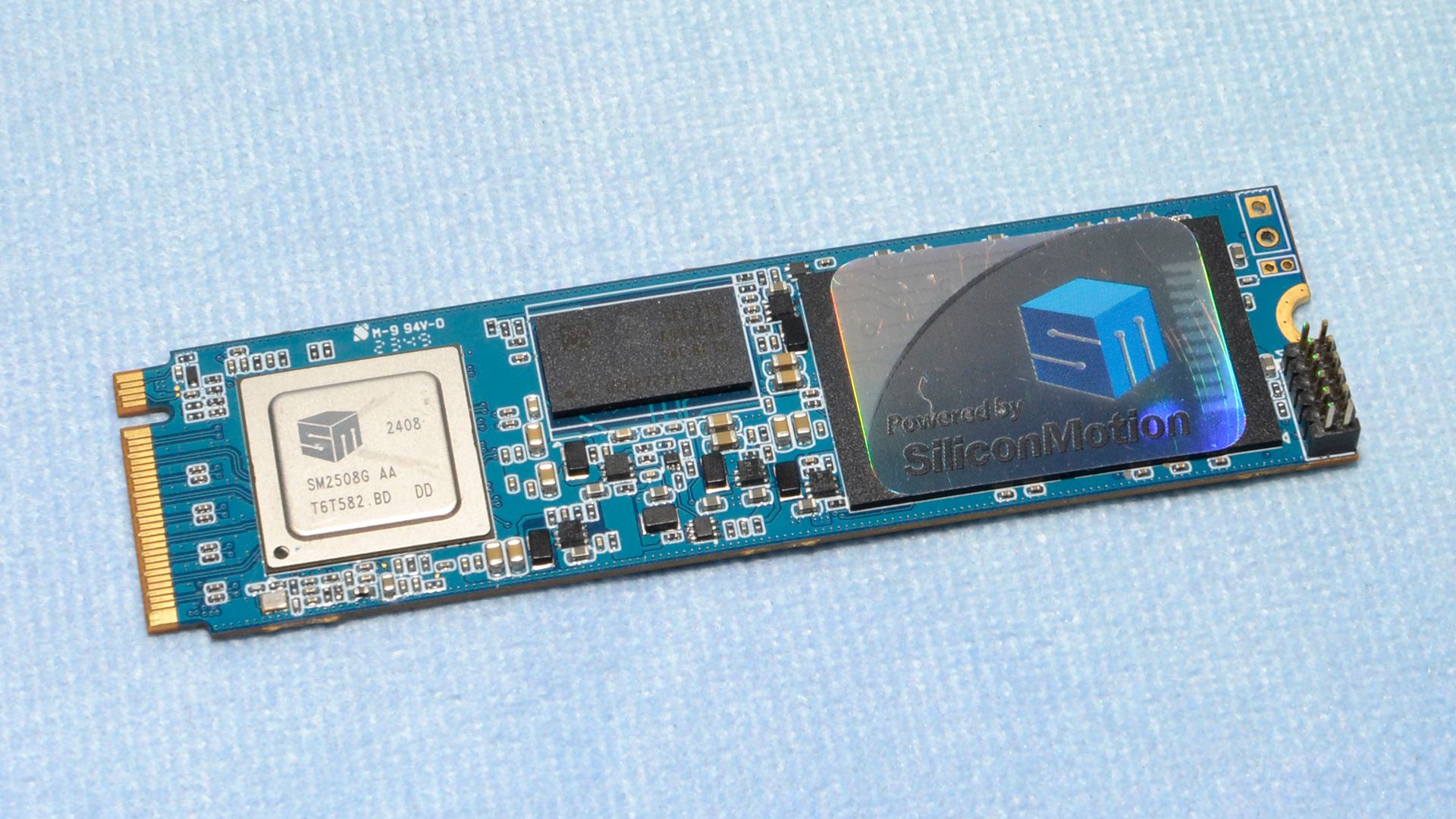
If you are running a NAS, workstation, or homelab, this is the moment to stop treating SSD pricing as permanently cheap. NAND has always been cyclical, but this cycle is being distorted by data center demand in a way that feels much closer to the DRAM allocation mess than a normal retail lull.
My advice: buy capacity when pricing is sane, keep at least one tested spare for critical arrays, and do not assume you can replace a failed SSD cheaply six months from now. Also, check endurance ratings before panic-buying bargain drives. A cheap QLC SSD with a thin TBW rating is not the same thing as a proper high-end TLC drive for write-heavy workloads.
The Bottom Line
Silicon Motion's numbers show the SSD ecosystem is healthy at the high end, but its warning says the consumer side is supply-constrained and likely to get worse in 2027. That is a nasty combination: strong controller demand, tight NAND allocation, and data centers outbidding client storage for flash.
If your backup plan depends on buying storage later, rethink it now. No RAID is a substitute for backups.
Loading comments...