SteamOS 3.8.10 Is Not Just a Deck Patch
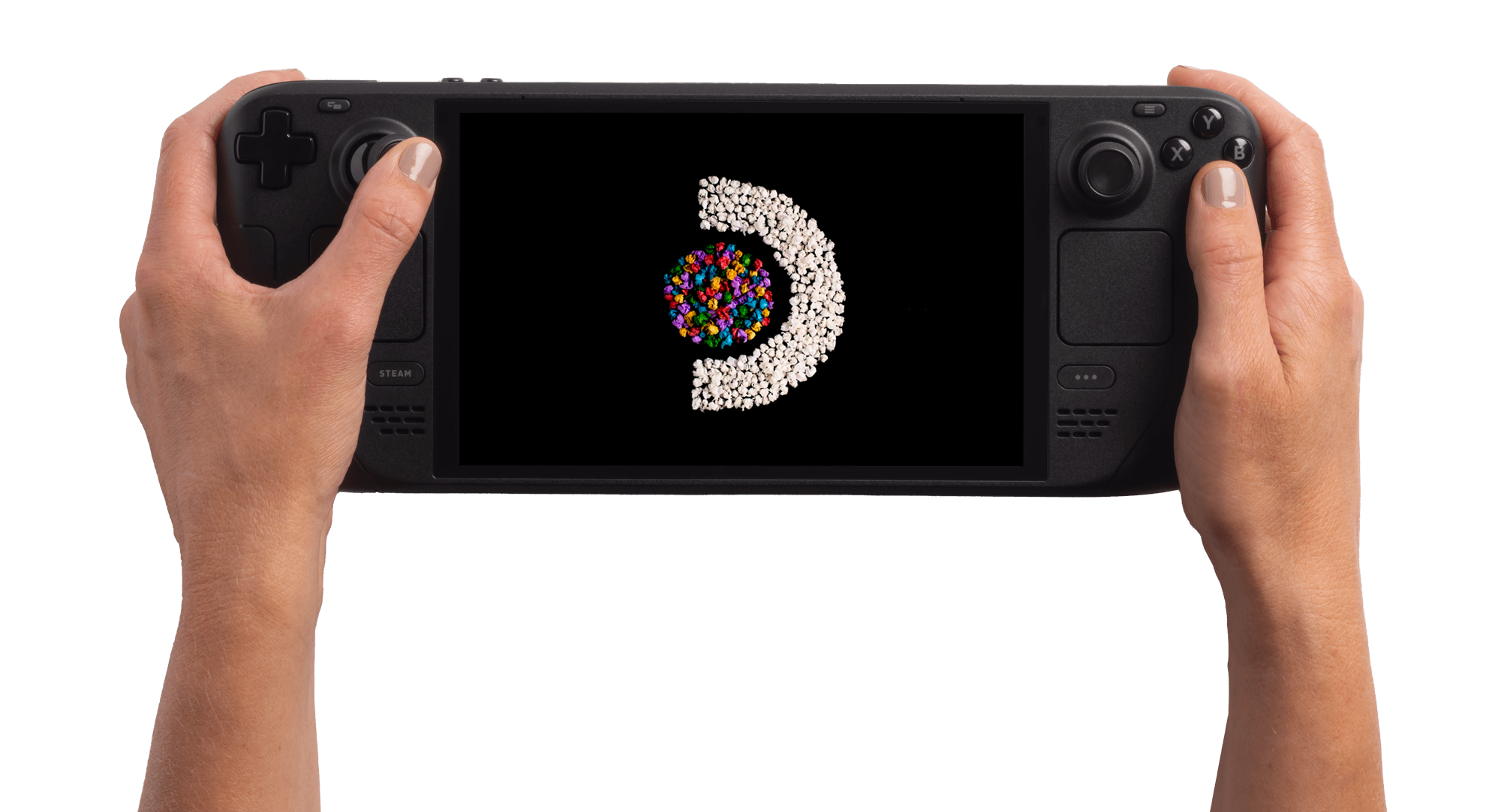
Valve has moved SteamOS 3.8.10 into the stable channel, succeeding the SteamOS 3.7 line, and this one matters. According to Phoronix, the release updates the Arch Linux base, moves the default kernel from the SteamOS 3.7-era Linux 6.11 stack to Linux 6.16, upgrades desktop mode from KDE Plasma 6.2.5 to Plasma 6.4, and flips the desktop session to Wayland by default while keeping X11 available. That is a very Linux sentence, and I mean that as praise.
Wayland Becomes the Default Desktop Path
The headline for normal users is Wayland-by-default in desktop mode. For years, Linux gaming has lived in a split-brain world: Gamescope and Wayland doing the modern compositor work in game mode, while desktop mode often kept one foot in X11 for compatibility. SteamOS 3.8 tightening that up is the right call. Wayland is where HDR plumbing, VRR behavior, explicit sync, fractional scaling, and sane multi-display handling are all actually moving. X11 is still there as a fallback, but the direction of travel is obvious.
Linux 6.16 Means Newer Hardware Gets a Fighting Chance
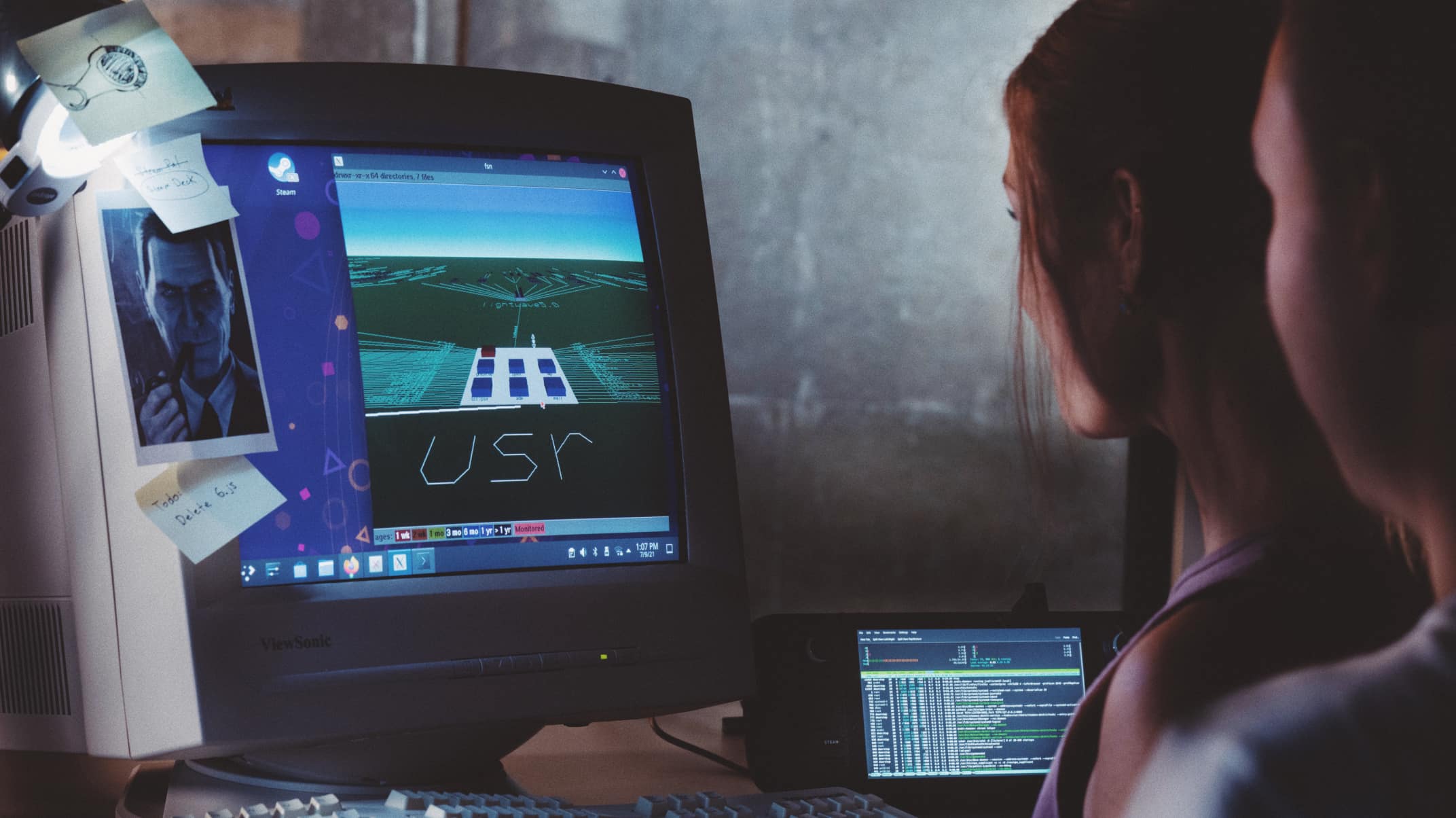
The kernel jump is just as important. SteamOS 3.7.8 used Linux 6.11; SteamOS 3.8.10 uses Linux 6.16. On an Arch-derived rolling-ish base, that is not cosmetic. Newer AMD platform support, graphics fixes, power-management work, USB/controller quirks, Bluetooth fixes, and scheduler behavior all ride through the kernel. Valve is also enabling support for the LAVD CPU scheduler, which is exactly the sort of latency-focused kernel-side work that matters on handhelds where 1% lows and frame pacing are more noticeable than a synthetic average FPS win.
Steam Machine Support Is the Real Tell
Phoronix notes that SteamOS 3.8 brings initial support for Valve's upcoming Steam Machine hardware, plus Steam Controller improvements. That tells me this release is not merely about keeping the Steam Deck pleasant in 2026. Valve is standardizing the platform layer for more form factors: handhelds, living-room boxes, and whatever AMD APU-shaped console-PC hybrid comes next. The boring bits — firmware updates, seamless boot fixes for newer AMD hardware, controller handling, audio improvements — are exactly the bits that decide whether Linux feels like an appliance or like a weekend project.
HDMI VRR and Screencasting Are Console Features, Not Nerd Candy
Preliminary HDMI VRR support, improved VRR frame pacing, and better screencasting support in game mode are not checklist fluff. VRR over HDMI is the difference between a Linux box that behaves well on a TV and one that only works properly on DisplayPort monitors owned by people who compile Mesa on Sundays. Screencasting in game mode matters for the same reason: SteamOS has to act like a consumer platform without losing the openness that makes it interesting.
The Penguin Verdict
SteamOS 3.8.10 is Valve doing the unglamorous distro engineering work: newer kernel, newer Plasma, newer Arch packages, default Wayland, more hardware enablement, and fewer rough edges. It is still not a generic Linux distro replacement — do not pretend pacman plus an immutable-ish console OS is the same thing as your daily Arch install — but as a gaming appliance built on open components, it keeps getting harder to dismiss. The year of the Linux desktop already happened; Valve is now working on the year of the Linux console. I use Arch, btw.
Loading comments...